


What Foods Are Beneficial for Astigmatism?

Astigmatism rarely occurs in isolation; it commonly coexists with myopia (nearsightedness) or hyperopia (farsightedness). When astigmatism develops, timely diagnosis is essential. Currently, in clinical practice, patients cannot spontaneously recover from astigmatism once it occurs. The only viable approach is to maintain diligent daily eye care to slow disease progression. So, what foods are beneficial for individuals with astigmatism?
What Foods Are Beneficial for Astigmatism?
Consume foods rich in calcium, vitamins, and beta-carotene. Additionally, patients may include animal liver, black sesame seeds, and purple fruits and vegetables in their diet. Finally, fish and blueberries can also be beneficial. However, because astigmatism is fundamentally a refractive error—caused by an irregularly shaped cornea that prevents incoming light from focusing precisely onto the retina, resulting instead in blurred, distorted images—no food can directly control or correct astigmatism. Consequently, individuals with astigmatism experience blurred vision for both near and distant objects.
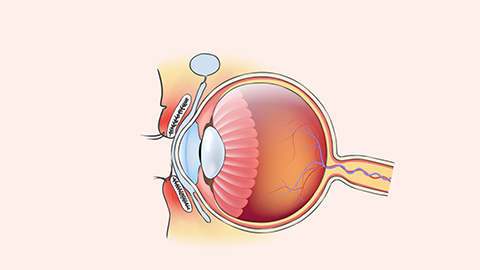
Astigmatism involves structural alterations of the eyeball; therefore, neither physical interventions nor surgical procedures can reverse the underlying anatomical changes already present. Some patients may place undue emphasis on dietary therapy. In reality, research indicates that while certain foods—such as those rich in vitamins and lutein—support overall ocular health, they do not treat or reverse astigmatism itself.

In daily life, patients should maintain a positive mindset, actively cooperate with their physicians during treatment, take prescribed medications consistently and as directed, and adhere to proper eye care practices—thereby facilitating optimal management and improvement of their condition. We hope this response has been helpful.


