Are red eyes in both eyes indicative of keratitis?
Jun 29, 2022
Source: Cainiu Health

Dr. Chen You
Introduction
Redness in both eyes is not caused by keratitis. Conjunctivitis and keratitis can lead to eye redness, insomnia, late-night activity, and prolonged use of computers or smartphones may also cause eye redness. Dry eye syndrome—resulting from long-term use of electronic devices in office settings or exposure to air conditioning—can likewise cause eye redness. Additionally, certain intraocular inflammatory conditions, such as uveitis and endophthalmitis, may also result in eye redness.
Keratitis is a condition that significantly impacts health, causing various abnormal symptoms in affected individuals—such as excessive tearing, redness of the eyes, and changes in vision—necessitating prompt treatment. Prior to initiating therapy, it is essential to fully understand the underlying cause of the disease. So, does bilateral eye redness indicate keratitis?
Does bilateral eye redness indicate keratitis?
Bilateral eye redness is not typically caused by keratitis. Conjunctivitis and keratitis can both lead to eye redness; however, other common causes include sleep deprivation, prolonged熬夜 (staying up late), and extended use of computers or smartphones. Dry eye syndrome—often resulting from long-term exposure to electronic devices in office environments or air-conditioned settings—can also cause eye redness. Additionally, intraocular inflammatory conditions such as uveitis and endophthalmitis may produce redness. Inflammation affecting other ocular structures, ocular trauma, and even cosmetic irritation can all contribute to eye redness. Thus, eye redness is a common clinical sign associated with numerous ophthalmic conditions.
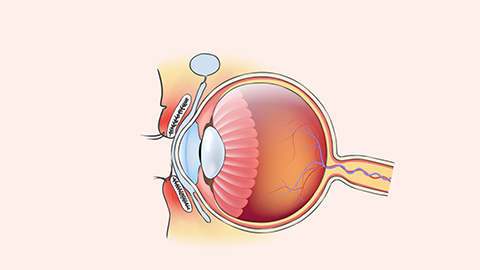
Keratitis refers to an inflammatory reaction of the cornea triggered by multiple etiologies and ranks among the leading causes of blindness in China. It may be caused by specific pathogens—including viruses and bacteria—and commonly presents with photophobia, epiphora (excessive tearing), and conjunctival injection (red eye). Ophthalmologic examination typically reveals positive signs such as conjunctival hyperemia, redness, and ocular discharge. The type of keratitis often correlates with the nature of the discharge, and characteristic corneal lesions—such as epithelial defects or ulceration—may develop.

In daily life, patients should maintain a positive mindset, actively cooperate with their physicians during treatment, strictly adhere to prescribed medication regimens (both dosage and timing), and pay close attention to routine ocular care—thereby facilitating timely improvement of their condition. We hope this response has been helpful to you.