


Which department should I visit for astigmatism?

Astigmatism is a very common eye condition, often occurring alongside myopia (nearsightedness) or hyperopia (farsightedness). It primarily results from inadequate eye care. Although not life-threatening, astigmatism can cause considerable inconvenience for affected individuals. So, which department should one visit for astigmatism?
Which Department Should One Visit for Astigmatism?
Astigmatism falls under the domain of ophthalmology, and optometry is also a subspecialty within ophthalmology. Since astigmatism is a refractive error, patients should consult the refraction clinic to assess uncorrected (naked-eye) and corrected visual acuity—typically using a 5-meter distance visual acuity chart and a 33-centimeter near-vision chart. Visual acuity is then compared against age-appropriate developmental standards. If it falls below the expected standard, cycloplegic refraction is required, commonly performed using tropicamide compound eye drops or atropine eye gel. Cycloplegia fully relaxes the ciliary muscle, enabling accurate measurement of refractive error. Subsequently, corrective eyeglasses are prescribed, and corrected visual acuity is re-evaluated to determine whether it meets age-related developmental benchmarks.
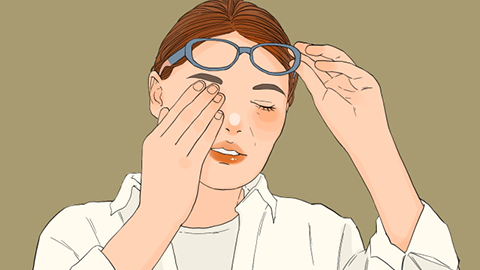
Astigmatism can be prevented by avoiding prolonged eye use. To reduce the risk of developing astigmatism, one should avoid extended periods of visual strain. Whether reading or working on a computer, continuous eye use should be limited—ideally no longer than 30 minutes at a time, followed by a brief rest. Incorporating gentle eye exercises and light eye massage may also help relieve ocular tension, alleviate visual fatigue, and prevent astigmatism.
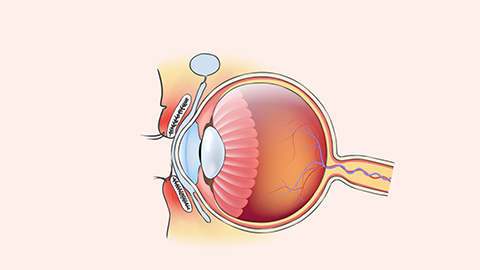
Patients should also pay attention to proper posture while using their eyes. For example, when working on a computer, the center of the screen should align horizontally with the user’s chest, and the distance between the eyes and the screen should be approximately 50 cm. We hope this information proves helpful.


