


What should I do if my baby has congenital astigmatism?

Many children may have congenital astigmatism, as astigmatism has a strong familial genetic component. If there is a family history of astigmatism, the child may be at increased risk. So, what should be done if a baby is born with congenital astigmatism?
Management of Congenital Astigmatism in Infants
If a child is diagnosed with congenital astigmatism, the first step is to take them to a hospital for routine cycloplegic refraction. This procedure must be performed under a physician’s supervision using atropine sulfate eye drops and gel, administered gradually. This method provides the most effective cycloplegia, allowing accurate measurement of the eye’s true refractive error. Subsequently, appropriately prescribed corrective glasses should be fitted—this can effectively alleviate symptoms or help control progression of the astigmatism. Additionally, the period between ages two to six years represents a critical window for visual development; timely intervention during this stage typically yields excellent outcomes. It is also essential to cultivate healthy visual habits and good ocular hygiene—for instance, limiting prolonged screen time on smartphones and computers.

Astigmatism is common among infants. First, assess the degree of astigmatism: mild astigmatism (under 50–75 diopters) generally does not require intervention. However, if astigmatism exceeds 100 diopters, closer monitoring is warranted. While astigmatism does not necessarily impair visual acuity, it often leads to visual fatigue. Furthermore, the clinical significance depends on age—typically, younger children exhibit greater potential for spontaneous improvement in astigmatism.
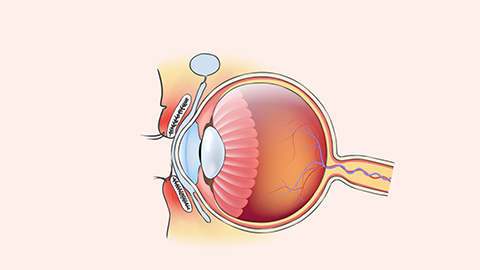
If a child has astigmatism, encourage consumption of fresh vegetables and fruits, along with nutrient-rich foods such as milk and eggs. We hope this information proves helpful.


