


Can towels used by patients with conjunctivitis (pink eye) be reused?

Conjunctivitis (commonly known as “pink eye”) is a highly contagious condition. Once contracted, it can significantly affect the eyes and vision. To safeguard ocular health, prompt medical attention is essential, along with adherence to certain precautions during treatment. So, can towels previously used by a person with conjunctivitis be reused?
Can towels used by a person with conjunctivitis be reused?
Towels used by individuals with conjunctivitis must not be shared with others. Conjunctivitis spreads primarily through direct contact and is often referred to as bacterial conjunctivitis. Typical ocular symptoms include eyelid swelling, eye pain, redness, excessive tearing, photophobia, increased ocular discharge, burning sensation, and a foreign-body sensation—though vision is typically unaffected. Infection usually occurs via the “eye–hand–eye” route or indirectly: touching contaminated objects or secretions from an infected individual and then rubbing one’s eyes can transmit the infection. Upon diagnosis, prompt treatment with topical ophthalmic drops is recommended; warm compresses should be avoided. Patients should rest adequately and minimize activities requiring prolonged near-vision work.

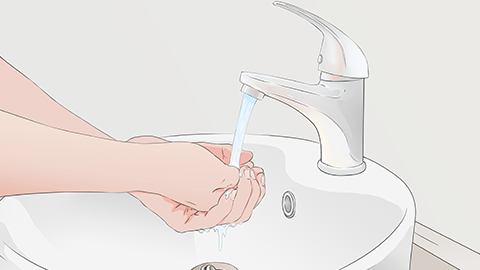
Conjunctivitis—colloquially termed “epidemic keratoconjunctivitis”—encompasses acute conjunctivitis. Under normal circumstances, the conjunctiva possesses inherent defensive capabilities; however, when these defenses weaken or external pathogenic factors intensify, inflammation of the conjunctival tissue ensues. Such inflammation is collectively termed “conjunctivitis,” and based on disease duration, it may be classified as hyperacute, subacute, or chronic. Pink eye is commonly infectious—for instance, epidemic hemorrhagic conjunctivitis caused by viruses. It is highly transmissible, predominantly via direct contact; thus, frequent handwashing and avoidance of eye-rubbing are strongly advised. Towels and handkerchiefs must be kept strictly separate from those used by others and regularly disinfected and cleaned. Infected individuals should observe appropriate isolation measures and refrain from swimming in public pools.
Patients are advised to avoid visual fatigue, steer clear of spicy or irritating foods, maintain a light and bland diet, and take precautions to prevent infection of the fellow (unaffected) eye. We hope this information proves helpful.


