


75 Diopters of Astigmatism: Can It Be Cured?

After developing astigmatism, patients may experience various adverse symptoms, including blurred vision, visual fatigue, and—among some individuals—dizziness. Therefore, timely treatment following diagnosis is essential, along with appropriate daily care measures. So, can 75-degree astigmatism be cured?
Can 75-degree astigmatism be cured?
Whether astigmatism can be cured depends on its severity. In cases of mild astigmatism—typically under 100 diopters—the impact on vision is relatively minor, and treatment is generally less challenging. Corrective eyeglasses are often effective, and some mild cases may resolve completely. However, if the astigmatism is only a few dozen diopters and does not interfere with daily life, specific treatment is usually unnecessary; instead, preventive measures should be taken to avoid progression. In contrast, high-degree astigmatism—exceeding 300 diopters, and in severe cases reaching 700–800 diopters—is significantly more difficult to treat and unlikely to be fully cured. Nevertheless, prompt and appropriate intervention can substantially improve visual function.
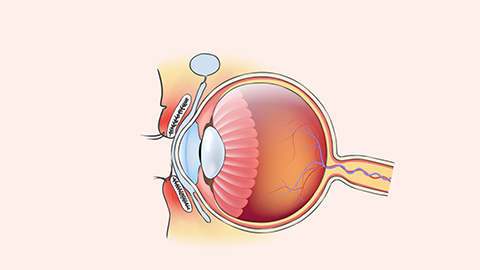
For mild astigmatism, corrective lenses are typically unnecessary if visual acuity remains unaffected and no decline in vision or amblyopia develops. Glasses are recommended only when vision deteriorates. Astigmatism is a common clinical condition, primarily caused by congenital asymmetry of the corneal curvature, resulting in dispersed focal points within the eye’s refractive system—hence the term “astigmatism.” Mild astigmatism is defined as refractive error under 200 diopters.

Additionally, maintain proper posture while reading: keep reading material 30–40 cm away from the eyes, and ensure adequate lighting. We hope this information is helpful to you.


