


Do people with astigmatism need to wear glasses regularly?

There are many causes of astigmatism, the most important of which is a change in corneal curvature. After developing astigmatism, individuals may experience various adverse symptoms—including blurred vision and eye strain—while some patients may even suffer from dizziness. Therefore, timely treatment is essential following diagnosis, and appropriate daily care measures should be adopted. So, must individuals with astigmatism wear glasses regularly?
Must individuals with astigmatism wear glasses regularly?
Patients with astigmatism generally require long-term glasses wear. Although vision may improve to normal levels after wearing corrective lenses for a period—and symptoms such as blurred vision and eye fatigue may resolve—the underlying astigmatism persists, necessitating continued use of astigmatic (cylindrical) lenses. Astigmatism, like myopia, is a type of refractive error; thus, the appropriate corrective lenses must be selected based on disease severity. In cases of regular (low-degree) astigmatism that does not impair visual acuity, glasses may not be required. However, if blurred vision or frequent eye fatigue occurs, corrective lenses are recommended for treatment.
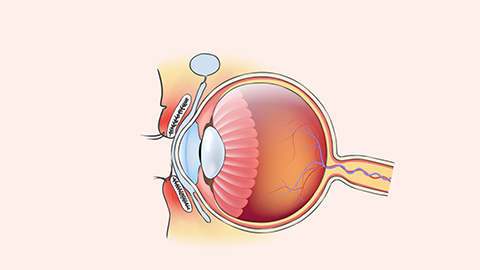
Whether glasses are needed depends on the degree of astigmatism. If astigmatism is less than 50 diopters, it is typically considered physiological astigmatism—meaning visual function remains unaffected and no significant visual disturbance or subjective symptoms are experienced. However, when the degree is higher, patients often notice blurred vision, develop eye strain after prolonged visual tasks, and may experience dizziness or distorted vision. In such cases, cylindrical lenses are necessary for correction. Additionally, during lens fitting, visual comfort should be the primary consideration—though comfort alone does not guarantee optimal correction.
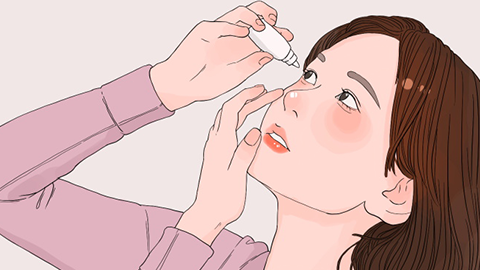
In daily life, maintain routine eye care: avoid prolonged screen time—whether on computers or smartphones—to prevent further progression of astigmatism. We hope this information proves helpful.


