


Can allergic keratitis in children be cured?

With improvements in living conditions, mobile phones, televisions, and computers have become ubiquitous in daily life—bringing both benefits and drawbacks. One major disadvantage is their adverse effect on eye health. Prolonged exposure to these devices can damage your eyes. This is especially concerning today, as children spend increasing amounts of time using such devices, potentially leading to various ocular disorders. So, can allergic keratitis in children be cured?
Can allergic keratitis in children be cured?
If childhood allergic keratitis is associated with immune dysfunction, it is generally difficult to cure completely. Keratitis is primarily caused by infectious pathogens—including viruses, bacteria, and fungi—while a minority of cases result from combined infection and immune abnormalities. In clinical practice, corticosteroids and non-steroidal anti-inflammatory drugs (NSAIDs) are commonly used, such as fluorometholone eye drops, dexamethasone eye drops, and pranoprofen eye drops. Mast cell stabilizers—like sodium cromoglicate eye drops—are also frequently prescribed. Artificial tears, such as sodium hyaluronate eye drops, may be administered to alleviate allergic symptoms.
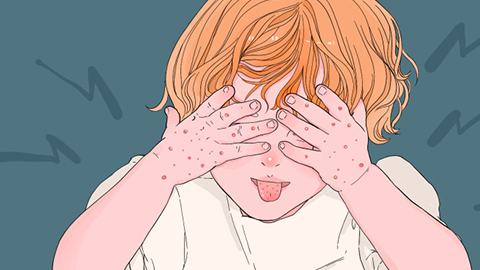
In Traditional Chinese Medicine (TCM), treatment is individualized based on the patient’s overall condition and local ocular manifestations. Herbal prescriptions are often employed. Commonly used herbs include Schizonepeta tenuifolia (Jing Jie), Saposhnikovia divaricata (Fang Feng), Tribulus terrestris seeds (Bai Ji Li), Equisetum hyemale (Mu Zei), Cicada molts (Chan Tui), Mulberry leaf (Sang Ye), Paeonia lactiflora root (Chi Shao), Kochia scoparia fruit (Di Fu Zi), Sophora flavescens root (Ku Shen), Honeysuckle flower (Jin Yin Hua), and Chrysanthemum flower (Ju Hua)—all selected for their wind-dispelling, itch-relieving, and vision-enhancing properties. For allergic diseases, identifying the specific allergen is the first step; avoidance of the triggering substance or food is essential. Desensitization therapy may then be implemented according to the nature of the allergen.
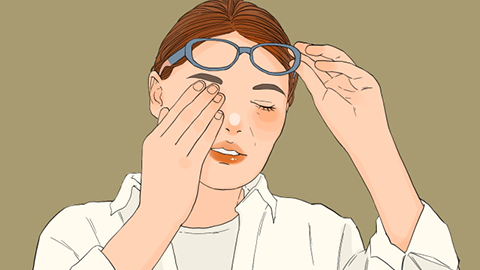
If symptoms of disease appear, prompt and active cooperation with medical professionals is crucial for effective management. We hope this information proves helpful to you.


