


What should elderly individuals do about astigmatism?

Astigmatism not only impairs visual acuity but also causes significant inconvenience in daily life. If left untreated, the condition may progressively worsen—increasing treatment complexity and raising the risk of developing other ocular diseases, potentially even leading to blindness. So, what should be done about astigmatism in older adults?
Managing Astigmatism in Older Adults
For older adults with astigmatism, the first step is a comprehensive vision assessment and collection of refractive data. When necessary, standard refractive correction, treatment, screening for retinal or fundus diseases, and targeted astigmatism management should be performed to determine whether uncorrected visual acuity meets age-appropriate standards. If these standards are not met, further cycloplegic refraction is required. Cycloplegia fully relaxes the ciliary muscle, revealing the true refractive error and enabling accurate refractive correction.
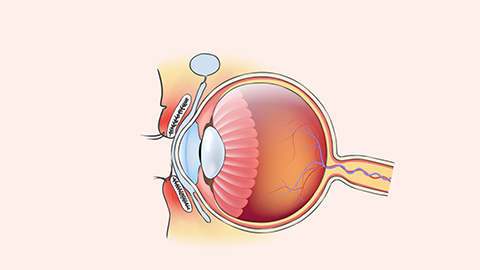
If an older adult is diagnosed with astigmatism, they should promptly visit a hospital or optometry clinic to obtain appropriately prescribed eyeglasses. In cases of relatively high astigmatism, correction for presbyopia must incorporate astigmatic correction. Accurate astigmatic correction requires precise matching—not only of the degree (cylinder power) but also of the axis orientation—so that symptoms of astigmatism are significantly alleviated upon wearing the glasses. Additionally, if the patient has cataracts, astigmatism can be concurrently corrected during cataract surgery. Several types of toric intraocular lenses (IOLs) are now available and highly effective for correcting astigmatism.

For individuals with mild astigmatism, maintaining appropriate visual hygiene—including reasonable screen time, proper eye-use habits, and regular eye rest—is recommended to prevent progression of astigmatism and potentially avoid the need for corrective lenses. We hope this information proves helpful.


