


What should I do if my 3.5-year-old child has astigmatism?

If your baby has astigmatism, prompt evaluation and treatment by an ophthalmologist are essential. All contributing factors should be actively addressed, and consistent wear of prescribed corrective glasses is crucial. After treatment, regular vision assessments are necessary to monitor visual recovery and adjust the lens prescription as needed. So, what should you do if your 3.5-year-old child has astigmatism?
What to Do for Astigmatism in a 3.5-Year-Old Child
For astigmatism detected in a 3.5-year-old, it is important to promptly take the child to an ophthalmic optometry clinic to assess whether their visual acuity meets age-appropriate standards. If it does not, cycloplegic refraction (a detailed eye exam performed after pupil dilation) is required. Cycloplegia fully relaxes the ciliary muscle, thereby revealing the child’s true refractive error and enabling precise optical correction. Frame glasses are typically prescribed for correction. This approach improves corrected visual acuity, supports healthy ocular development under normal refractive conditions, and helps prevent further progression of refractive error or development of severe conditions such as keratoconus.
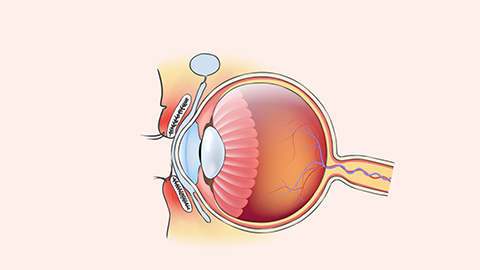
In daily life, many children present with astigmatism. In such cases, close attention is vital. It is strongly recommended to bring the child to a hospital for routine cycloplegic refraction—ideally using atropine sulfate eye drops and ointment, administered gradually over several days. This method provides the most comprehensive assessment of the child’s true refractive status. Based on the results, appropriately prescribed glasses can significantly alleviate or control the progression of astigmatism. Notably, high astigmatism carries a substantial risk of amblyopia; therefore, properly fitted frame glasses—combined with vision function training—are essential.
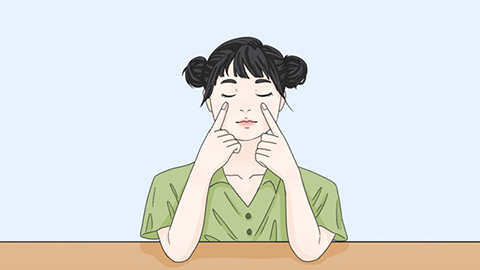
Avoid prolonged screen time on smartphones or computers, and ensure the child gets adequate sleep—chronic sleep deprivation can severely impair eye health. We hope this information is helpful to you.


