


How long does allergic conjunctivitis in children take to resolve?

In real life, allergic conjunctivitis is a common condition that adversely affects children’s health and significantly impairs their quality of life. Prompt management is essential; otherwise, serious complications may arise. So, how long does it take for allergic keratoconjunctivitis in children to resolve?
How long does allergic keratoconjunctivitis in children take to resolve?
If a child develops allergic keratoconjunctivitis, improvement typically occurs within approximately one week. However, the exact recovery time varies among individuals, as severity differs from child to child and treatment approaches may vary—thus influencing the overall duration of recovery. Nevertheless, once allergic keratoconjunctivitis develops, prompt medical evaluation is critical. Slit-lamp examination is often required for accurate diagnosis, and antiallergic eye drops should be initiated without delay. Under physician guidance, olopatadine hydrochloride eye drops and azelastine hydrochloride eye drops are commonly prescribed and demonstrate good efficacy. Concurrently, cold compresses should be applied to the eyes promptly. Children must avoid rubbing their eyes or applying warm compresses, as these actions may exacerbate the condition. During the active phase, consumption of seafood and use of hair-care products should be avoided. Maintaining ocular hygiene is paramount.
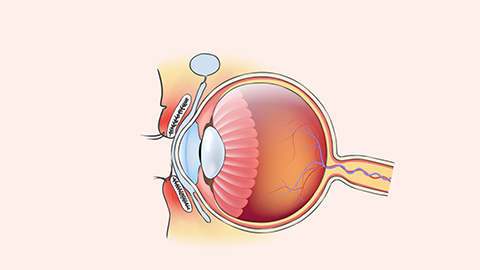
Allergic keratitis, medically termed allergic conjunctivitis, may involve the cornea when severe. In typical cases of allergic conjunctivitis, symptoms can usually be controlled within 1–2 weeks or 2–3 weeks using appropriate antiallergic medications. When concurrent allergic rhinitis is present, referral to an otolaryngologist is recommended. In severe forms—such as vernal keratoconjunctivitis, which may persist for several years—treatment may extend over months or even years, resulting in a prolonged disease course. Allergic conjunctivitis commonly causes ocular redness and pruritus; paradoxically, increased eye rubbing intensifies itching. Some patients experience seasonal allergic rhinitis alongside conjunctivitis, with symptoms such as sneezing and itchy eyes recurring annually—typically during spring and autumn.
Patients are advised to maintain good ocular hygiene in daily life, avoid prolonged screen time on electronic devices, and minimize intake of spicy or irritating foods. We hope this information proves helpful.


