


How is astigmatism treated?
Jun 29, 2022
Source: Cainiu Health

Dr. Chen You
Introduction
Astigmatism can be treated through optical correction and surgical interventions. For regular astigmatism, cylindrical lenses can be used for correction. However, the selection of cylindrical lenses depends on the type and degree of astigmatism: hyperopic astigmatism requires convex lenses, while myopic astigmatism requires concave lenses. Prior to fitting cylindrical spectacles, a retinal examination and refraction test must be performed.
Many people suffer from astigmatism, which can significantly impair normal vision. When viewing objects, they often experience blurred vision or even double shadows—causing considerable difficulties in daily learning and work. To rapidly alleviate these symptoms, it is essential to first understand and apply the correct treatment methods. So, how is astigmatism treated?
How to Treat Astigmatism
Astigmatism can be managed through optical correction (e.g., corrective lenses) or surgical intervention. For regular astigmatism, cylindrical lenses are commonly prescribed for correction. However, lens selection depends on both the type and degree of astigmatism: hyperopic astigmatism requires convex (plus) lenses, while myopic astigmatism calls for concave (minus) lenses. Prior to fitting cylindrical eyeglasses, a comprehensive retinal examination and refraction test must be performed. In children and adolescents, cycloplegic refraction is necessary to accurately assess the nature and severity of astigmatism and determine the optimal prescription—ensuring maximum therapeutic benefit. In cases of high-degree astigmatism where cylindrical lenses yield suboptimal correction, rigid gas-permeable (RGP) contact lenses may be considered. Irregular astigmatism also requires correction with RGP contact lenses, which demonstrate markedly superior efficacy compared to soft contact lenses.
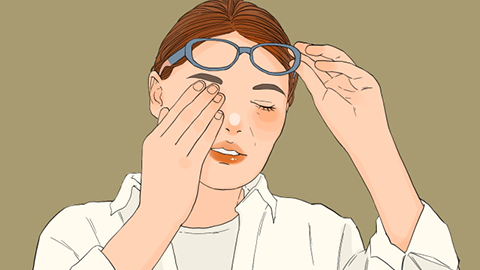
For congenital high astigmatism or acquired high astigmatism resulting from prior ocular surgery, surgical intervention is typically indicated. Common procedures include excimer laser refractive corneal surgery (e.g., LASIK or PRK), corneal relaxing incisions, or laser-assisted corneal transplantation. The specific surgical approach is selected based on individual patient factors. As an adjunctive home care measure, thoroughly disinfect a basin, fill it with warm water at a comfortable temperature, then submerge your face and open your eyes underwater. Move your eyes up, down, left, and right nine times each, followed by multiple clockwise and counterclockwise rotations. This technique helps remove dust and harmful substances from the eyes and may modestly improve various refractive errors—including astigmatism, myopia, and hyperopia. Consistent blinking exercises strengthen the eye muscles and relieve visual fatigue.
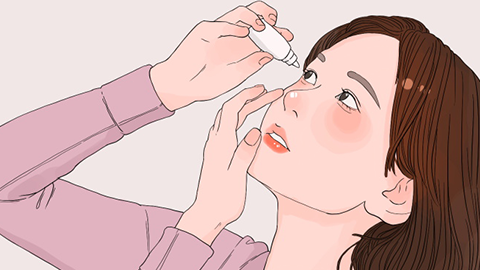
Nutritional adjustments may also support astigmatism management. It is recommended to incorporate foods rich in vitamins A and C into all three daily meals. Suitable vegetable choices include carrots, sweet potatoes, bamboo shoots, and tomatoes. We hope this information proves helpful to you.


