


Astigmatism can be corrected with laser eye surgery.

Astigmatism is caused by abnormal curvature of the eye’s refractive surfaces. Once developed, it can lead to symptoms such as reduced visual acuity, visual fatigue, headaches, and eye pain. Without timely treatment, the condition may progressively worsen, resulting in more severe complications—including potential blindness. So, can astigmatism be treated with laser eye surgery?
Laser eye surgery is an effective treatment option for astigmatism.
Astigmatism can indeed be corrected via laser surgery, including excimer laser or femtosecond laser procedures. The fundamental principle of these surgeries is to reshape the cornea’s curvature using laser technology, thereby correcting the astigmatic refractive error. However, a comprehensive preoperative ocular examination is mandatory—such assessments typically include corneal topography, keratometry (corneal curvature measurement), and corneal thickness evaluation. Only after completing these diagnostic tests can a precise, individualized surgical plan be formulated based on the patient’s specific axial orientation and degree of astigmatism, ensuring optimal postoperative visual quality. Additionally, laser correction has certain limitations regarding the severity of astigmatism; generally, this approach is suitable for correcting astigmatism up to 600 degrees.
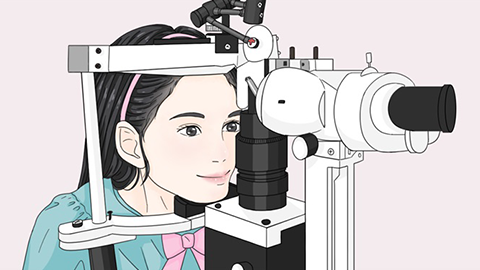
Patients with astigmatism should actively avoid eye strain. In daily life, individuals with astigmatism must take care to minimize visual fatigue: screen time should be kept as brief as possible, and reading or using mobile devices in dimly lit or dark environments should be strictly avoided, as these habits significantly increase the risk of eye fatigue. When working on a computer, it is recommended to take a five-minute break every hour. Adequate sleep is essential—staying up late should be avoided to allow the eyes sufficient time to rest and recover fully.

Patients are advised to reduce overall visual demand, refrain from rubbing their eyes frequently, and engage regularly in outdoor activities. We hope this information proves helpful to you.


