


What should I do about 100 degrees of astigmatism in my right eye?

Currently, many individuals—especially children—experience vision problems such as astigmatism. Common symptoms include decreased or blurred vision, frequent headaches, eye pain, and general ocular discomfort. It is therefore essential to promptly identify the underlying causes and initiate targeted corrective treatment.
What should be done for 100-degree astigmatism in the right eye?
For 100-degree astigmatism in the right eye, timely visual acuity testing, refraction examination, and refractive correction therapy are recommended; surgical correction may be considered if necessary. Mild astigmatism of this degree typically results in a slight reduction in visual acuity, altered visual quality, and diminished visual function. A comprehensive eye examination—including uncorrected visual acuity testing—at an ophthalmic optometry clinic is advised to determine whether unaided visual acuity meets age-appropriate standards. If it falls below the expected norm, cycloplegic refraction (using dilating eye drops) should be performed. Cycloplegia fully relaxes the ciliary muscle, allowing accurate measurement of the true refractive error and enabling precise refractive correction.
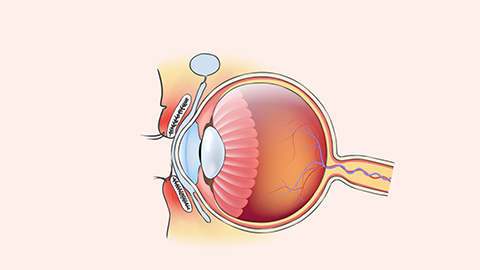
Generally, corrective eyeglasses are prescribed alongside refractive management to optimize corrected visual acuity, maintain high-quality vision, and support normal ocular development under physiologic refractive conditions. This approach helps prevent further progression of refractive error, which could otherwise increase the risk of retinal disorders. Additionally, B-scan ultrasonography and optical coherence tomography (OCT) should be performed to assess for pathological conditions such as excessive axial elongation or macular developmental abnormalities—and appropriate interventions initiated accordingly. For patients aged 18 years or older, corneal laser surgery (e.g., LASIK) or intraocular lens implantation may be considered as definitive treatment options.
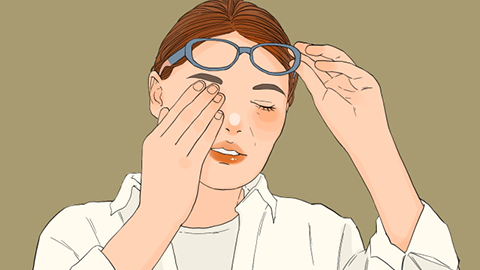
Patients are advised to avoid rubbing their eyes with unwashed hands and to refrain from prolonged or excessive near work. Any ocular discomfort should prompt prompt medical evaluation. We hope this information proves helpful.


