


Can astigmatism be corrected?
Jun 29, 2022
Source: Cainiu Health

Dr. Chen You
Introduction
Once astigmatism develops, it is essential to visit an ophthalmology department at a hospital promptly to determine the specific type and then establish an appropriate treatment plan. Astigmatism is generally categorized as either congenital or acquired. Congenital astigmatism is the most common form, whereas simple astigmatism is relatively rare and often occurs concurrently with myopia or periorbital inflammation. In most cases, timely prescription of corrective eyeglasses is recommended to address the refractive error and prevent further progression of symptoms.
Many people suffer from astigmatism, which can significantly impair normal vision. When viewing objects, they often experience blurred vision or even double images—posing considerable challenges to their daily learning and work. To rapidly alleviate these symptoms, it is essential first to understand the appropriate treatment methods. So, can astigmatism be corrected?
Can astigmatism be corrected?
Once astigmatism develops, prompt consultation with an ophthalmologist is crucial to determine its specific type and formulate an appropriate treatment plan. Astigmatism is generally categorized as either congenital or acquired. Congenital astigmatism is the most common form; simple (isolated) astigmatism is relatively rare and often co-occurs with myopia or periorbital inflammation. Corrective eyeglasses are typically recommended early to address the refractive error and prevent further deterioration of symptoms. Acquired astigmatism is usually disease-related—for example, corneal inflammation may lead to scarring, thereby altering the eye’s refractive power and causing blurred vision. In such cases, treatment must target the underlying cause—such as aggressive anti-infective therapy or surgical correction.
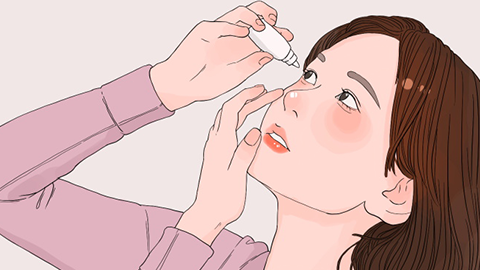
In cases of high-degree congenital astigmatism or severe acquired astigmatism resulting from prior ocular surgery, surgical intervention is often required. Common procedures include excimer laser refractive keratoplasty, keratotomy, or laser-assisted corneal transplantation—the choice depending on individual patient factors. As a supplementary self-care measure, thoroughly disinfect a basin, then immerse your face in warm water at a comfortable temperature; open your eyes underwater and move them up, down, left, and right nine times each, followed by multiple clockwise and counterclockwise rotations. This technique helps remove dust and harmful substances from the eyes and may improve various refractive errors—including astigmatism, myopia, and hyperopia. Consistent blinking exercises also strengthen the ocular muscles and relieve visual fatigue.

Dietary adjustments can also support astigmatism management. It is advisable to incorporate foods rich in vitamins A and C into all three daily meals. Recommended vegetables include carrots, sweet potatoes, bamboo shoots, and tomatoes. We hope this information proves helpful to you.







