


Can conjunctivitis cause macular lesions in the fundus?

Macular degeneration of the fundus is commonly seen in middle-aged and elderly individuals and is typically a natural consequence of physiological aging. This condition poses significant health risks and requires timely intervention and treatment. Patients should adopt appropriate exercise, dietary modifications, and necessary pharmacological therapy to effectively alleviate symptoms, prevent disease progression, and minimize adverse effects. So, can conjunctivitis (pink eye) cause macular degeneration?
Can conjunctivitis cause macular degeneration?
No, conjunctivitis does not cause macular degeneration. Fundus macular lesions are clinically classified into two main types: atrophic (dry) and exudative (wet). Atrophic macular degeneration primarily results from local capillary atrophy and thickening of Bruch’s membrane, whereas exudative macular degeneration arises from disruption of Bruch’s membrane and disciform retinal detachment in the macular region. Clinically, exudative macular degeneration often develops secondary to pre-existing atrophic changes. Macular degeneration is relatively common—many middle-aged and elderly individuals experience similar changes, which represent an inevitable part of natural aging. Nevertheless, even though it is age-related, proactive monitoring and early intervention remain critically important.
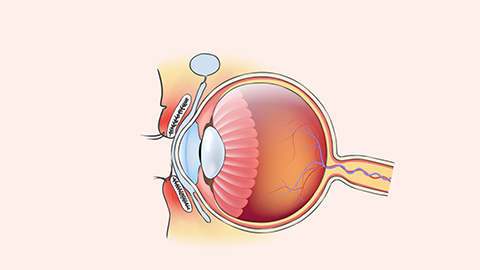
There is no direct curative treatment for macular degeneration; management focuses on dietary adjustments, lifestyle modifications, and pharmacotherapy to slow disease progression and relieve ocular discomfort. First, the onset and progression of macular degeneration tend to be gradual. Regarding diet, patients should maintain a light, balanced regimen—avoiding excessive intake of sugar and lipids—and consume nutrient-rich foods beneficial for eye health, such as goji berries, carrots, and tomatoes.

In daily life, cultivating healthy habits—both in terms of lifestyle and diet—is essential. We hope this information proves helpful to you.


