


Can patients with conjunctivitis eat pigeon meat?

Many people suffering from conjunctivitis—commonly known as “pink eye”—are familiar with this prevalent condition. For patients, identifying an effective treatment is critically important. Those affected by pink eye may have heard the saying, “Medication is more beneficial than tonics.” So, can individuals with pink eye eat pigeon meat?
Can Patients with Pink Eye Eat Pigeon Meat?
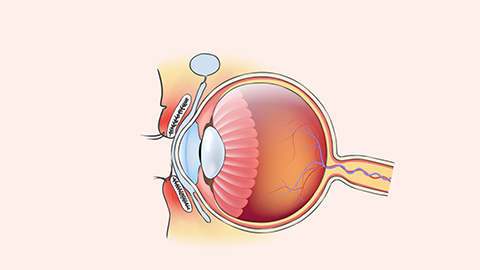
Pigeon meat is not recommended for individuals with pink eye. This is because pigeon is considered a “heat-inducing” food in traditional dietary theory and may exacerbate the condition. Pink eye, also known as acute or subacute bacterial conjunctivitis—or acute catarrhal conjunctivitis—is a highly contagious form of conjunctivitis. Early symptoms typically include conjunctival hyperemia (redness). In such cases, prominent superficial blood vessel engorgement is observed in the conjunctival fornix, while redness diminishes toward the limbus (corneal margin). When pink eye and conjunctival hyperemia are present, prompt symptomatic treatment is essential.

Patients with pink eye are advised to consume light, easily digestible foods, along with fresh fruits and vegetables—such as bananas, apples, and seasonal produce. Spicy foods—including raw onions, garlic, and seafood—should be avoided, as seafood and mutton are common allergens. Therefore, when experiencing pink eye, it is best to avoid these foods to prevent triggering allergic conjunctivitis.
In daily life, patients should maintain strict personal hygiene: use separate washbasins and towels, avoid sharing them, and always wash hands and face with running water. These measures significantly reduce the risk of infection. We hope this information proves helpful.


