


Can patients with fungal keratitis ulcers drink milk?

Fungal keratitis is a type of keratitis caused by fungal infection. If left untreated, it may lead to mild complications such as corneal scarring or severe complications including corneal perforation. So, can patients with fungal keratitis–associated corneal ulcers drink milk?
Can patients with fungal keratitis–associated corneal ulcers drink milk?
Yes, patients with fungal keratitis–associated corneal ulcers may drink milk. Doing so does not interfere with recovery from keratitis; on the contrary, milk contains abundant protein, which helps improve nutritional status and supports healing. Common symptoms of keratitis include ocular hyperemia (redness), pain, foreign-body sensation, photophobia, excessive tearing, reluctance to open the eyes, and decreased vision. These symptoms often result from poor eye hygiene—for example, rubbing the eyes with unwashed hands, using contaminated towels, tissues, or wet wipes to clean the eyes, failing to wash hands before handling contact lenses, or improper storage of contact lenses—any of which may introduce pathogens from the external environment into the eye, leading to corneal infection and subsequent keratitis. Treatment primarily involves topical anti-infective eye drops: for bacterial infections, ofloxacin or tobramycin eye drops may be used; for viral infections, ganciclovir or interferon eye drops are appropriate.
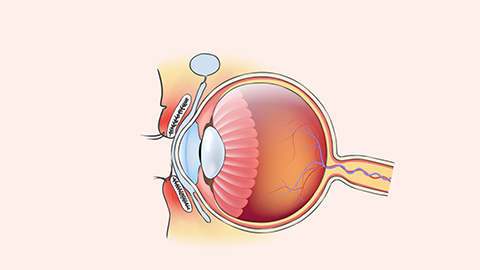
Fungal keratitis–associated corneal ulcers may be triggered by factors such as excessive stress, overwork, sleep deprivation, improper eye use, emotional distress (e.g., anger), or upper respiratory infections (e.g., common cold). Patients are advised to visit an ophthalmology department for slit-lamp examination to confirm the specific type of keratitis and then receive targeted therapy with appropriately selected antimicrobial agents. Concurrently, adequate rest, proper eye hygiene, increased fluid intake, and consumption of fresh fruits, vegetables, and high-quality protein sources are recommended. However, some sources advise avoiding spicy foods (e.g., chili peppers) and dairy products (e.g., milk), citing their high protein content—though this recommendation lacks strong scientific evidence and contradicts earlier statements regarding milk’s beneficial role in nutrition and recovery.

Dietary recommendations emphasize avoiding tobacco, alcohol, and spicy or otherwise irritating foods (e.g., chili peppers). We hope this information is helpful to you.


