


What conditions should cataracts be differentiated from?

Cataracts have a relatively high incidence in China, particularly among the elderly population. After developing cataracts, patients typically experience progressive vision loss and photophobia, among other symptoms. In severe cases, objects may appear extremely blurry. Once cataracts develop, prompt attention is essential to prevent disease progression and avoid more serious complications. So, what conditions must cataracts be differentiated from?
Differential Diagnosis of Cataracts
When cataracts are suspected, differential diagnosis is typically required with glaucoma, corneal diseases, and—especially in pediatric cases—retinoblastoma. Although leukocoria (a white pupillary reflex) is commonly observed in cataract patients, it may also occur in retinoblastoma; therefore, careful differentiation is crucial. Diagnostic evaluation should include slit-lamp examination, fundoscopy, and B-scan ultrasonography. In most cases, these examinations enable accurate differentiation.
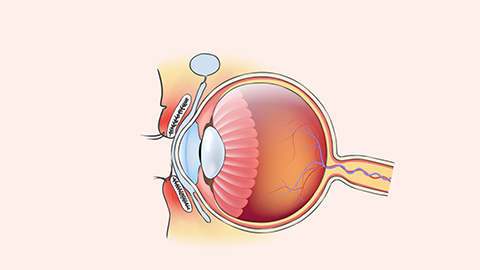
Patients should consistently prioritize ocular health. Currently, cataracts rank as the leading cause of blindness worldwide. Cataracts and corneal disorders affect different anatomical structures: corneal disease often presents with ocular pain, whereas cataracts are typically painless. Glaucoma, by contrast, usually results from obstruction of the aqueous humor outflow pathway—a mechanism distinct from that of cataracts.

We recommend that patients maintain good ocular hygiene in daily life, protect their eyes appropriately, avoid prolonged screen time on electronic devices, and allow regular visual rest. We hope this information proves helpful to you.


