


How to Prevent Astigmatism

Astigmatism not only impairs visual acuity but also causes significant inconvenience in daily life. If left untreated, the condition may progressively worsen—increasing treatment complexity and raising the risk of other ocular disorders, potentially even leading to blindness. So, how can astigmatism be prevented?
How to Prevent Astigmatism
Prevention and management of astigmatism typically involve corrective eyewear. Congenital astigmatism is very common and cannot be prevented. However, it is important to avoid eyelid swelling, which may exacerbate existing astigmatism. Clinically, astigmatism is highly prevalent; most cases result from asymmetrical curvature of the cornea present at birth, causing light rays to focus at multiple points rather than a single point on the retina—this optical aberration is termed astigmatism. Such congenital astigmatism is usually hereditary, and no effective preventive measures currently exist. In contrast, acquired astigmatism commonly arises from eyelid trauma or inflammation, or from corneal or conjunctival scarring. For acquired astigmatism, timely surgical intervention is often recommended to prevent progression. As for congenital astigmatism, the majority of affected individuals exhibit some degree of astigmatism clinically. Mild astigmatism without visual impairment generally requires no treatment; however, if vision declines and astigmatism exceeds 100 diopters, corrective lenses are typically prescribed.
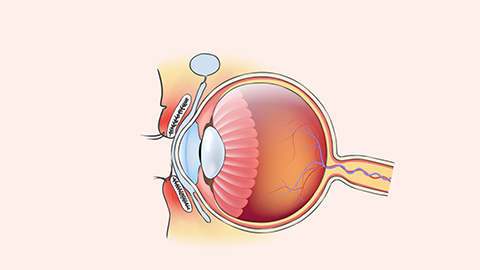
Astigmatism is primarily caused by congenital corneal abnormalities. Some cases stem from corneal diseases—such as corneal scars or keratoconus—while others result from surgical procedures, including cataract surgery and excimer laser refractive surgery. Accurate diagnosis and targeted treatment are therefore essential. Currently, there are no effective pharmacological treatments or reliable preventive strategies for congenital corneal developmental anomalies. When astigmatism arises secondary to corneal disease, prompt and aggressive management of the underlying condition is critical to prevent worsening corneal astigmatism. In cases attributable to surgery, meticulous preoperative planning and refined surgical technique are vital to minimize the risk of iatrogenic astigmatism.

Maintaining a balanced diet supports overall eye health. Avoid picky or selective eating habits; instead, consume a variety of foods to ensure adequate and well-rounded nutrition. We hope this information proves helpful to you.


