


Does a child who frequently complains of eye pain develop myopia?

Many children may not fully understand the causes of eye pain. They simply feel their eyes have become weak and experience some degree of discomfort or pain. If a child exhibits such symptoms, prompt medical evaluation at a hospital is recommended for a formal diagnosis.
Does frequent eye pain in children lead to myopia?
Frequent complaints of eye pain in children are commonly associated with conditions such as sinusitis. For instance, when a child has a cold or rhinitis that progresses to sinusitis, inflammation and fluid accumulation typically occur in the frontal, maxillary, and ethmoid sinuses—leading to a dull, aching sensation around the eyes. Symptoms may include soreness, swelling, and a tight, pressured feeling perceived as eye pain. These symptoms often worsen when lying down or bending forward. Moreover, eye pain may correlate with body position: pain localized to the left eye when lying on the left side, and to the right eye when lying on the right side—this positional variation is characteristic of sinusitis, as inflammatory fluid shifts within the sinuses and exerts pressure on surrounding structures, including the eyes.

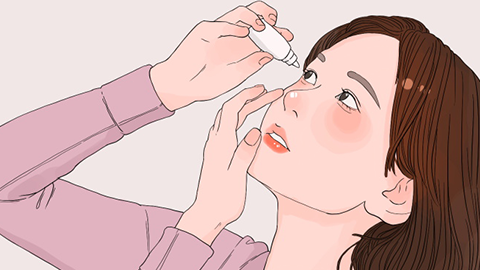
There are numerous potential causes of eye pain. First, in younger individuals who frequently stay up late and experience fatigue, eye pain is often attributable to eye strain or dry eye syndrome. Treatment may include warm compresses, anti-fatigue eye drops, adequate rest, and improved sleep hygiene. Second, if eye pain follows a clear history of ocular trauma, conditions such as keratitis or conjunctivitis should be considered—and prompt ophthalmologic evaluation is essential. Third, in older patients presenting with painful eye swelling and pain exacerbated by eye movement, optic neuritis must be ruled out.
Dietary considerations are also important in managing eye pain. Spicy and irritating foods should be avoided, as they may exacerbate symptoms. Furthermore, identifying the underlying cause of the eye pain is critical to guide appropriate pharmacologic treatment. We hope this information proves helpful.


