


Can conjunctivitis (pink eye) be treated by washing the eyes with saline solution?
Jun 29, 2022
Source: Cainiu Health

Dr. Chen You
Introduction
Conjunctivitis (commonly known as “pink eye”) can be rinsed with saline solution—specifically, 0.9% sodium chloride solution—but homemade saline solutions must not be used for irrigation. Conjunctivitis is an acute or subacute bacterial conjunctivitis. During the active phase of the disease, patients may exhibit prominent symptoms, including eyelid swelling, conjunctival hyperemia and edema, and increased serous discharge. If necessary, the conjunctival sac may be irrigated with normal saline to remove secretions.
Conjunctivitis (commonly known as “pink eye”) is characterized by rapid onset, swift spread, and high contagiousness. Patients must receive prompt and active treatment to achieve full recovery; otherwise, the condition may significantly disrupt normal learning, work, and daily life—and cause unnecessary discomfort in young children. Moreover, immunity acquired after recovery is relatively weak, making recurrent infections possible. So, can saline solution be used to wash the eyes in cases of conjunctivitis?
Can Saline Solution Be Used to Wash the Eyes in Conjunctivitis?
Yes, saline solution—specifically 0.9% sodium chloride solution—can be used to rinse the eyes; however, homemade saline solutions must not be used. Conjunctivitis is typically an acute or subacute bacterial conjunctivitis. During the active phase, patients commonly exhibit prominent symptoms such as eyelid swelling, conjunctival hyperemia (redness), edema, and increased serous discharge. If necessary, the conjunctival sac may be irrigated with physiological saline to remove secretions. In addition to physiological saline, boric acid solution and preservative-free, non-steroidal artificial tears are also acceptable alternatives.

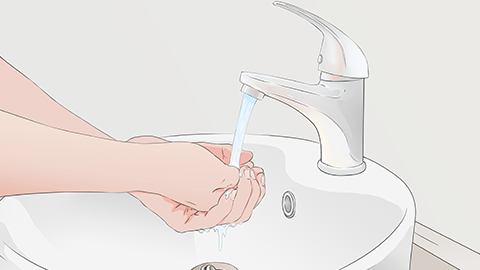
Firstly, conjunctivitis is highly contagious; therefore, patients are advised to rest adequately and undergo isolation during treatment. The primary mode of transmission is direct contact—especially via hands touching the eyes. Consequently, frequent handwashing and refraining from rubbing the eyes are the most effective preventive measures. After developing conjunctivitis, it is neither necessary nor advisable to keep the eyes closed continuously. Keeping the eyes open is perfectly acceptable, as closing them raises ocular temperature, potentially worsening inflammation. Diet should remain light and bland—spicy, pungent, or irritating foods (e.g., hotpot, fried foods, onions, garlic) should be avoided. Conjunctivitis may predispose individuals to keratitis; thus, timely follow-up examinations and appropriate treatment are essential.
Furthermore, due to its high transmissibility, eye irrigation for conjunctivitis should be performed under the guidance of healthcare professionals to minimize the risk of cross-infection. We hope this information proves helpful.


