


Which intraocular lens is better for cataract surgery?
Jun 29, 2022
Source: Cainiu Health

Dr. Chen You
Introduction
There are many types of intraocular lenses (IOLs) available for cataract surgery, including spherical and aspheric IOLs. Each type offers distinct advantages, making it impossible to definitively declare one superior to another. Cataract patients must make a comprehensive decision—considering factors such as lens material, cost, and individual ocular characteristics—under the guidance of their ophthalmologist. Conventional spherical IOLs are relatively inexpensive but provide lower image clarity and may induce optical aberrations.
The lens is a structure within the eye that functions as an optical lens. If the eye sustains trauma, the lens may become displaced from its normal anatomical position—termed lens dislocation—which includes both partial and complete dislocation. This condition frequently impairs vision and may even lead to blindness. So, which intraocular lens (IOL) is best for cataract surgery?
Which Intraocular Lens Is Best for Cataract Surgery?
There are numerous types of intraocular lenses available for cataract surgery, including standard spherical and aspheric IOLs. Each type offers distinct advantages; therefore, no single IOL can be universally deemed “best.” Patients with cataracts must make a comprehensive, individualized selection—in consultation with their ophthalmologist—based on factors such as lens material, cost, and personal ocular anatomy and visual needs.
Standard spherical IOLs are relatively inexpensive but provide lower optical clarity due to inherent optical aberrations. They may cause image magnification or blurred edges when viewing objects, rendering them unsuitable for patients with special visual requirements. In contrast, aspheric IOLs more closely mimic the natural human lens in structure, thereby enhancing retinal image quality. They support excellent postoperative visual recovery and require only a small surgical incision. These lenses are appropriate for most patients—especially those with high myopia and cataracts—but are comparatively more expensive. They also help resolve issues such as poor accommodation associated with conventional IOLs.
Multifocal IOLs enable clear vision at far, intermediate, and near distances following implantation, eliminating the need for reading glasses after surgery. However, multifocal IOLs are not suitable for everyone. Their implantation demands stringent ocular anatomical criteria and is generally recommended only for cataract patients without underlying retinal disease.
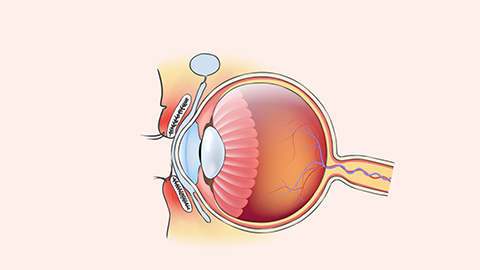
Cataracts arise from complex, multifactorial etiologies. Lens opacification disrupts retinal image formation, resulting in symptoms such as blurred vision, photophobia, glare, diplopia or hyperopia, reduced contrast sensitivity, refractive changes, altered color perception, and visual field defects. The hallmark clinical feature of cataracts is progressive, painless vision loss, diagnosable via slit-lamp examination. In early stages, characteristic findings include wedge-shaped lens opacities, cortical vacuoles, water clefts, and lamellar separation. During the swelling phase, positive iris shadowing is observed, and the lens appears irregularly grayish and opaque.

If you notice any symptoms suggestive of cataracts, seek prompt medical evaluation and fully cooperate with your physician’s diagnostic assessments. We hope this information proves helpful to you.




