


What is the normal value for astigmatism?

Astigmatism not only impairs visual acuity but also causes considerable inconvenience in daily life. If left untreated, the condition may progressively worsen—increasing treatment complexity and raising the risk of developing other ocular diseases, potentially even leading to blindness. So, what degree of astigmatism is considered normal?
What Degree of Astigmatism Is Considered Normal?
Generally speaking, astigmatism under 50 diopters (D) is considered normal and is mostly physiological in nature. If a patient experiences no visual disturbances or other symptoms, no specific treatment is required. Astigmatism primarily arises because the eye’s surface is not a perfectly smooth sphere; instead, curvature varies slightly across different meridians, resulting in minor differences in refractive power. As long as visual function remains unimpaired during everyday object viewing, this variation is deemed normal. However, if astigmatism is severe or acquired later in life due to trauma, surgery, or other causes, appropriate intervention—such as wearing cylindrical (toric) eyeglasses or undergoing refractive surgery—should be considered.
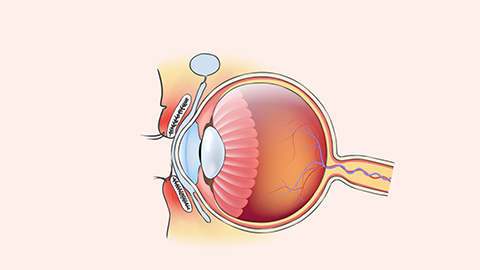
Currently, no highly effective medications exist to alleviate astigmatism. Therefore, pharmacological treatment is unnecessary. Correction relies instead on modifying visual habits and correcting poor eye posture. In daily life, screen time—including television and smartphone use—should be minimized. When reading, maintain an appropriate viewing distance. Take brief visual breaks every 40 minutes—for example, by gazing out a window—to relax the ciliary muscle and lens.

In daily life, cultivating healthy lifestyle and dietary habits is essential. We hope this information proves helpful to you.


