


Does a child’s myopia prescription increase every year?

Currently, adolescents are a high-risk group for myopia, primarily due to excessively long study hours, inadequate eye rest, or incorrect posture while studying—such as sitting too close to books.
Do children’s myopia diopter levels increase every year?
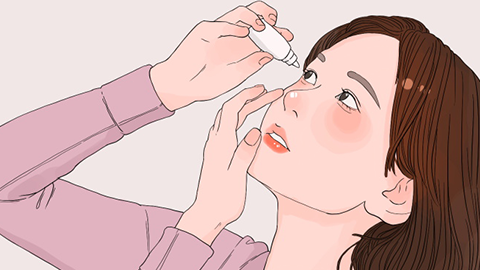
If left uncorrected, children’s myopia typically progresses annually. Several interventions—including orthokeratology (ortho-k) lenses, low-concentration atropine eye drops, and light therapy devices—can help slow or prevent further progression of myopia. First, ortho-k lenses are highly effective when worn nightly; they temporarily reshape the cornea, allowing clear unaided vision during the day without affecting daily activities. Second, low-concentration atropine eye drops, administered primarily at night, do not interfere with daytime learning or visual function.
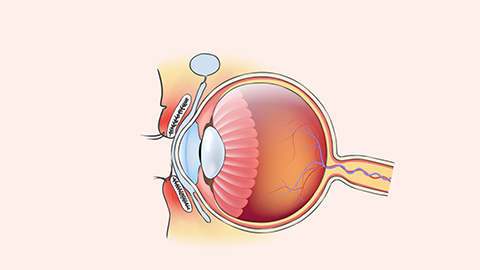
If a child experiences eye fatigue during daily visual tasks, blinking consciously can help relax the periocular muscles and alleviate eye strain. When prolonged near work is unavoidable, gently rubbing the palms together to warm them and then cupping them over closed eyes—creating a warm, dark, and soothing environment—can effectively relieve ocular tension and provide brief, restorative respite for the eyes.
In daily life, it is advisable to consume foods beneficial for eye health—such as carrots and leafy green vegetables—to help prevent dry eye syndrome and night blindness. A balanced, nutritious diet is essential; spicy and highly stimulating foods should be avoided. We hope this information is helpful to you.


