


Treatment of Noninfectious Hyperacute Keratitis

The eyes are often described as the “windows to the soul,” enabling us to perceive the world clearly. When eye health deteriorates, overall well-being may suffer significantly. Many individuals develop acute keratitis—a severe, rapidly progressing inflammation of the cornea—caused by bacterial or viral infections. Acute keratitis poses a serious threat to ocular health and visual function. So, what are the treatment options for non-infectious, hyperacute keratitis?
Treatment of Non-Infectious Hyperacute Keratitis
Management of non-infectious hyperacute keratitis is primarily symptomatic and targeted at the underlying cause. If the condition stems from immune-mediated mechanisms, patients must receive treatment under strict medical supervision. This typically includes topical corticosteroids—such as prednisolone eye drops—or other corticosteroid-containing formulations. Alternatively, nonsteroidal anti-inflammatory drug (NSAID) eye drops—like diclofenac sodium—may be prescribed to more effectively control inflammation. Acute keratitis is a common ophthalmic emergency that can arise from bacterial, fungal, or viral infections—or from systemic autoimmune disorders such as rheumatoid arthritis, systemic lupus erythematosus (SLE), and relapsing polychondritis. These systemic conditions may lead to corneal involvement and subsequent vision loss. Prompt medical evaluation is essential upon onset of symptoms.
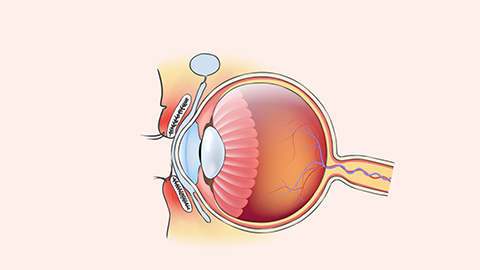
The etiology of acute keratitis is highly complex and may involve both infectious and non-infectious factors. Infectious causes include invasion of the cornea by microorganisms—such as bacteria, viruses, or fungi—and the development of antimicrobial resistance to topical therapies, which increases susceptibility to keratitis. Non-infectious causes commonly involve systemic autoimmune diseases—including rheumatoid arthritis and SLE—which can trigger immune-mediated corneal inflammation. Acute keratitis is a prevalent ophthalmic disorder and one of the most urgent conditions encountered in clinical ophthalmology. Immediate referral to an ophthalmologist is strongly advised upon suspicion of keratitis.

Patients are advised to minimize visual strain, ensure adequate sleep, maintain rigorous ocular hygiene, avoid rubbing the eyes with unwashed hands, and follow a light, balanced diet. We hope this information proves helpful.


