


Differences Between “Lan Huo Yan” (a Traditional Chinese Medicine Term) and Conjunctivitis

Photophobia, tearing, itching, and increased ocular discharge are common discomfort symptoms encountered in daily life. These symptoms may be caused by either “red eye disease” (epidemic keratoconjunctivitis) or “fire-eye” (a traditional Chinese medicine term referring to acute conjunctivitis or blepharoconjunctivitis, often with heat-toxin patterns). As the underlying causes differ, so do the treatment approaches. Therefore, it is essential to understand the distinctions between these two conditions to facilitate accurate differential diagnosis. So, what are the differences between “fire-eye” and red eye disease?
Differences Between “Fire-Eye” and Red Eye Disease
The distinction between “fire-eye” and red eye disease is typically based on clinical presentation. Inflammation associated with “fire-eye” may cause dryness, fatigue, and pain at the inner or outer canthus of the eye. In contrast, red eye disease—clinically known as epidemic keratoconjunctivitis—is characterized by subconjunctival hemorrhage, which may appear as patchy or diffuse hemorrhagic spots on the sclera (the “white” of the eye). A definitive diagnosis can be confirmed through clinical examination at a hospital. Red eye disease is highly contagious and is usually treated with topical antiviral or anti-inflammatory medications, sometimes supplemented with oral agents.
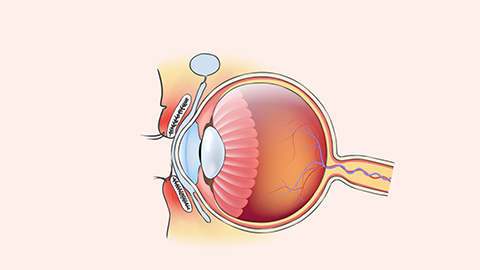
Red eye disease—also termed epidemic keratoconjunctivitis—is a highly contagious ocular infection. Upon diagnosis, strict isolation is the primary preventive measure: patients should remain in a secluded environment and avoid crowded places. The tear secretions of infected individuals contain large quantities of pathogenic viruses, which can spread via direct contact with tears, respiratory droplets, or contaminated hands (e.g., after wiping tears). Thus, the main strategies for preventing transmission are isolation and minimizing contact with others or shared environmental surfaces. Isolation may generally be lifted two weeks after symptom resolution, once tear samples are confirmed to no longer harbor detectable pathogens.
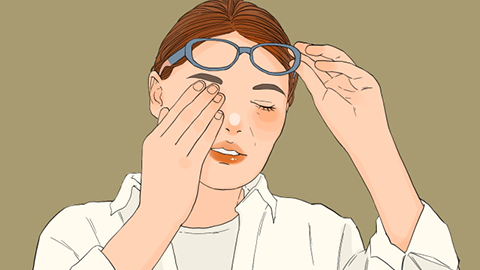
If you notice any of the above symptoms, seek prompt medical evaluation and fully cooperate with your healthcare provider’s diagnostic procedures. We hope this information has been helpful to you.


