


Myopia can cause elevated intraocular pressure.

Myopia has virtually become the norm among modern individuals. With the widespread use of high-tech electronic devices, the age of onset for myopia is progressively decreasing. How to reverse myopia has thus become a topic of great public concern. The majority of myopia cases result from an elongated axial length of the eye—termed axial myopia—while a smaller proportion stems from excessive refractive power of the eye—termed refractive myopia. So, does myopia cause elevated intraocular pressure (IOP)?
Can myopia cause elevated intraocular pressure?
Normal intraocular pressure ranges from 10 to 21 mmHg. Generally speaking, myopia itself does not lead to increased IOP. If elevated IOP is detected, it may be associated with factors such as visual fatigue, glaucoma, senile cataracts (particularly mature or hypermature cataracts), narrow anterior chamber angles, or shallow anterior chambers. Prompt medical evaluation is essential to identify the underlying cause of elevated IOP and initiate appropriate treatment to normalize pressure as soon as possible. For instance, transient IOP elevation can occur due to visual fatigue or inadequate rest.
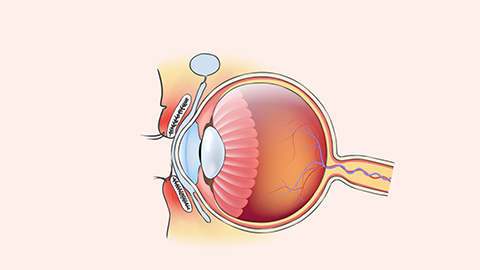
If elevated IOP occurs incidentally and resolves spontaneously after rest—with no ocular discomfort—no specific treatment is required; however, adequate rest remains crucial. In contrast, glaucoma is characterized by persistently elevated IOP and may present with pronounced symptoms including ocular distension, corneal haze or edema, and conjunctival hyperemia. Glaucoma is significantly more serious: without timely intervention, it commonly causes irreversible damage to the optic nerve head. Therefore, early detection and treatment are imperative.

Narrow anterior chamber angles or shallow anterior chambers: Some patients have congenital narrow angles or shallow anterior chambers. Even minor environmental changes may trigger IOP elevation in these individuals. Prophylactic and therapeutic interventions—including iridectomy—may be employed to manage or prevent elevated IOP. We hope this information proves helpful to you.


