


Can wearing decorative contact lenses for two hours cause keratitis?

Keratitis is an infectious disease that can be classified—based on its etiology—into infectious and non-infectious types; the symptoms of both are largely similar. However, in the early stage of the disease, patients may experience only mild ocular pain and excessive tearing. As the condition progresses over time, photophobia and eyelid spasm gradually develop, ultimately leading to irreversible visual impairment. So, can wearing colored contact lenses (“beauty contacts”) for two hours cause keratitis?
Can wearing colored contact lenses for two hours cause keratitis?
Wearing colored contact lenses for two hours will not cause keratitis. Keratitis typically results from prolonged wear of cosmetic or corrective contact lenses, which creates a sealed environment over the eye conducive to the proliferation of bacteria, fungi, and other pathogens—leading to localized corneal infection. The risk increases significantly if lenses are not replaced regularly or disinfected promptly. Additionally, excessive force during lens insertion or removal may scratch the cornea, causing minor corneal injury.
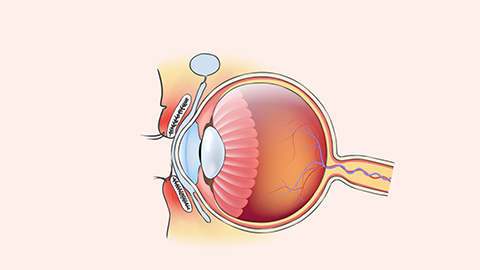
Staying up late causes chronic eye fatigue and prevents the eyes from closing fully for necessary repair. This is especially true when using high-brightness devices such as computers or smartphones late into the night, which further burdens the eyes. Prolonged screen exposure also leads to tear film evaporation and corneal dryness. During blinking, increased friction between the eyelid and cornea may cause minor abrasions, potentially triggering keratitis. Moreover, sleep deprivation may elevate “liver fire” (a Traditional Chinese Medicine concept referring to internal heat and inflammation), thereby increasing susceptibility to disease.
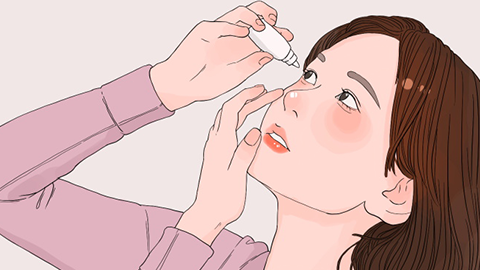
In daily life, patients should maintain a positive mindset, actively cooperate with their physicians’ treatment plans, take prescribed medications consistently and correctly, and pay close attention to routine eye care—so as to facilitate prompt improvement of the condition. We hope this response has been helpful to you.


