


Is Refractive Examination Always Accurate for Astigmatism?

Myopia has virtually become the norm among modern populations. With the widespread use of high-tech electronic devices, the age of onset of myopia is steadily decreasing. How to reverse or manage myopia has thus become a topic of great public concern. The majority of myopia cases are axial—caused by an elongated anterior-posterior length of the eyeball—while a smaller proportion result from excessive refractive power of the eye, known as refractive myopia. But is refraction testing for astigmatism always accurate?
Is Refraction Testing for Astigmatism Always Accurate?
In reputable optical stores or large-scale optometric centers, prescriptions for glasses—including those for astigmatism—are generally reliable. However, given the possibility of congenital or hereditary developmental abnormalities, it is advisable to undergo a comprehensive ophthalmologic examination at a formal hospital, including corneal topography. We recommend avoiding vision, refraction, and hearing assessments at optical stores. If abnormalities are detected, pupils should first be dilated, refractive error adjusted accordingly, and appropriate corrective lenses prescribed. Special attention must also be paid to proper eye usage—particularly limiting prolonged screen time on smartphones and computers.
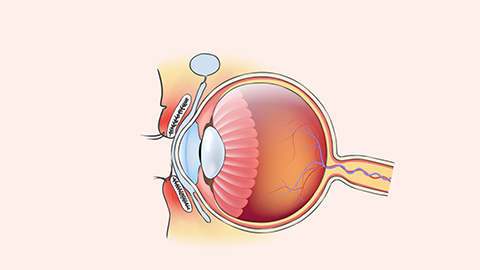
Automated (computerized) refraction is one of the most commonly used methods in clinical practice, yielding relatively accurate results—but it inevitably involves some degree of measurement error, as it relies entirely on machine-based assessment. In addition to automated refraction, lens insertion testing must be performed to verify the prescription. Only after achieving corrected visual acuity of 1.0 through lens insertion can the presence and degree of astigmatism be accurately determined. This critical step must be carried out meticulously by qualified optometric professionals at accredited hospitals.

Do not rely solely on computerized refraction results when prescribing eyeglasses; such results should serve only as a reference. Final lens power must be precisely confirmed through lens insertion testing. If astigmatism is suspected, patients should seek evaluation at a reputable hospital. We hope this information proves helpful.


