


Is frequent blinking in a 2.5-year-old child a sign of myopia?

Under normal circumstances, people blink approximately 15 to 20 times per minute. In fact, this action effectively protects the surface of the eyes. However, excessive blinking should also be noted, as it may indicate an underlying pathological condition. Many people naturally wonder: “Does frequent blinking in a 2.5-year-old child indicate myopia?”
Does frequent blinking in a 2.5-year-old indicate myopia?
If a two-year-old child blinks excessively, it is not necessarily due to myopia, as myopia is extremely rare at this age; most toddlers are actually in a state of physiological hyperopia (farsightedness). If excessive blinking persists, a visit to an ophthalmologist is recommended. Possible causes include:
- Intraocular foreign bodies: An ophthalmologist will examine whether any foreign objects—such as dust, grit, or eyelashes—are present in the eye, as these can trigger frequent blinking. If a foreign body is found, it must be safely removed by an ophthalmologist.
- Trichiasis (in-turned eyelashes): An ophthalmologist can detect trichiasis during examination. If caused by lower eyelid entropion or misdirected lashes, close observation may be sufficient during infancy, and surgical intervention is typically unnecessary at this stage.
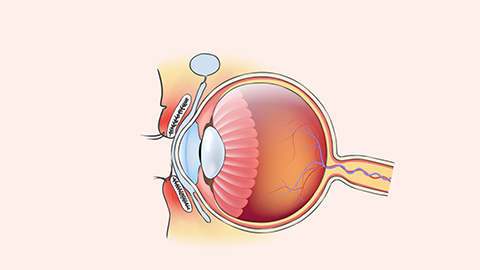
For children with recurrent blinking, ocular conditions should be considered first—such as conjunctivitis, conjunctival concretions (conjunctival stones), or eye strain—which may provoke increased blinking. To help prevent this, limit prolonged screen time on electronic devices and ensure adequate rest. For conjunctivitis, topical tobramycin eye drops may be prescribed; repeated eye rubbing should be avoided. In addition to ocular disorders, potential psychiatric or behavioral conditions must also be evaluated.

In daily life, cultivating healthy lifestyle and dietary habits is essential. We hope this information proves helpful to you.


