


Will myopia progression continue in adults?

In recent years, the number of people with myopia has been steadily increasing. Individuals with myopia experience significant blurriness when viewing nearby objects, causing considerable inconvenience in daily life. Consequently, many myopic individuals hope their children will not inherit the same condition. But does myopia progression continue into adulthood?
Does myopia progress in adults?
Yes, myopia can progress in adults. Although it is commonly believed that myopia stabilizes after adolescence—typically around age 18—this is a misconception. Many patients mistakenly assume that myopia progression occurs only during childhood and adolescence and ceases entirely in adulthood. This erroneous belief is frequently encountered in clinical practice and must be corrected.

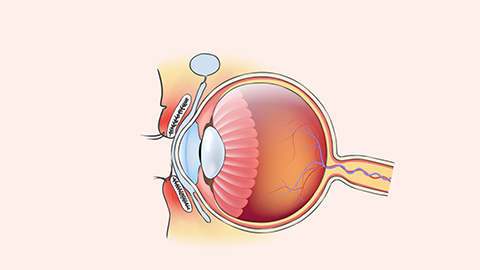
Myopia progression can continue throughout life. The structural basis of true (axial) myopia involves elongation of the eyeball (increased axial length) or steepening of the corneal curvature—changes that are not inherently self-limiting. There is no predetermined age at which these changes automatically halt—for example, not even after age 18. Without appropriate intervention, myopia may continue to progress: axial length may further increase, and corneal curvature may continue to steepen. Only with effective, targeted control measures can progression potentially pause or cease.
In daily life, cultivating healthy lifestyle and dietary habits is essential. We hope this information is helpful to you.


