


Is it possible to have keratitis if the eyes are red with many blood vessels but without pain?
Jun 29, 2022
Source: Cainiu Health

Dr. Chen You
Introduction
Prominent red blood vessels in the eyes without pain may indicate keratitis. In addition to conjunctival injection, most cases of keratitis are also accompanied by photophobia, tearing, and a foreign-body sensation. Red blood vessels in the eye may also result from conjunctivitis, not only keratitis. Conjunctivitis primarily manifests as conjunctival injection, itching, and purulent discharge. Both conjunctivitis and keratitis require medical evaluation.
In daily life, neglecting eye hygiene and healthy visual habits—coupled with irregular lifestyle patterns—can lead to severe eye fatigue, increasing susceptibility to ocular infections and causing visible bloodshot eyes (conjunctival injection).
If bloodshot eyes appear, timely adjustments and interventions are essential. But could numerous, painless red blood vessels in the eyes indicate keratitis?
Could numerous, painless red blood vessels in the eyes indicate keratitis?
Yes, numerous, painless red blood vessels in the eyes may indeed be a sign of keratitis. In addition to conjunctival hyperemia, most cases of keratitis also present with photophobia, excessive tearing, and a foreign-body sensation. However, bloodshot eyes may also stem from conjunctivitis—not just keratitis. Conjunctivitis typically manifests as conjunctival injection, itching, and purulent discharge. Whether the condition is conjunctivitis or keratitis, initial management may include anti-inflammatory ophthalmic drops such as levofloxacin hydrochloride. If symptoms do not improve, prompt medical evaluation at a hospital is necessary.
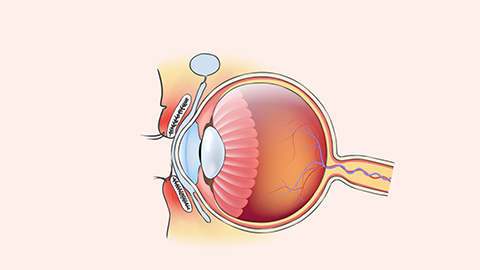
Keratitis is a common ophthalmic condition primarily affecting the black, central portion of the eye (the cornea). Its hallmark symptoms include ocular hyperemia, swelling, sharp or stabbing pain, foreign-body sensation, photophobia, excessive tearing, reluctance to open the eyes, and decreased vision. Keratitis often arises from poor eye hygiene—for example, rubbing the eyes with unwashed hands; using contaminated towels, tissues, or wet wipes to clean the eyes; failing to wash hands before handling contact lenses; or storing contact lenses under unhygienic conditions.

In daily life, patients should maintain a positive mindset, actively cooperate with their physicians’ treatment plans, take prescribed medications on time and in correct dosages, and adhere to proper self-care practices—so that clinical improvement occurs as rapidly as possible. We hope this response has been helpful to you.






