


Can cervical spondylosis cause hypotension?

Cervical spondylosis is a relatively common condition in daily life. Some patients with this condition develop hypotension and are uncertain whether it is caused by cervical spondylosis. So, can cervical spondylosis cause hypotension?
Can cervical spondylosis cause hypotension?
Yes, cervical spondylosis can cause hypotension—though it may also lead to hypertension. In patients with cervical spondylosis, rapid head rotation may cause hypertrophic intervertebral discs to compress blood vessels in the neck, thereby stimulating nerves and baroreceptors located on these vessels, resulting in reflexive blood pressure elevation. Conversely, when the head rotates to another angle, the compression exerted by the herniated disc or bony overgrowth may be relieved, triggering a reflexive drop in blood pressure.
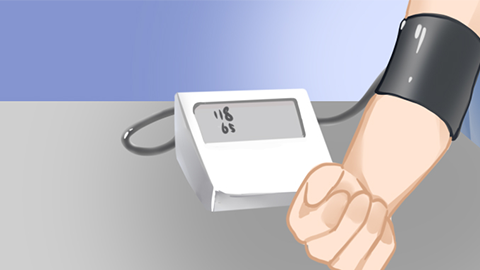
Generally speaking, primary hypotension most commonly occurs in elderly individuals and women, often manifesting as dizziness and fatigue. Such cases require prompt medical treatment. Additionally, patients suffering from chronic malnutrition or endocrine disorders are also at high risk for hypotension. Typical symptoms include dizziness, visual darkening (e.g., “blacking out”), sweating, palpitations, and even sudden syncope. Notably, hypotension often requires long-term management; in terms of daily diet, patients with hypotension are advised to consume nutrient-rich foods such as egg yolks and fish.

Therefore, if patients with cervical spondylosis experience either hypertension or hypotension, they should seek timely medical evaluation at a hospital. We hope this response has been helpful!


