


What causes a septate uterus?

A septate uterus typically presents with no prominent symptoms; however, affected patients may experience menstrual irregularities or prolonged menstruation. So, what causes a septate uterus?
What Causes a Septate Uterus?
A septate uterus is often attributable to congenital developmental abnormalities. Most cases arise from insufficient embryonic development of the uterus: during fetal development, the uterine septum fails to regress normally due to disruptions in its developmental process. Such congenital anomalies may result from adverse intrauterine influences, including uterine atresia, imperforate hymen, or transverse vaginal septum—conditions all stemming from abnormal embryonic development. Congenital malformations can only be managed through subsequent medical interventions aimed at achieving successful pregnancy and childbirth.
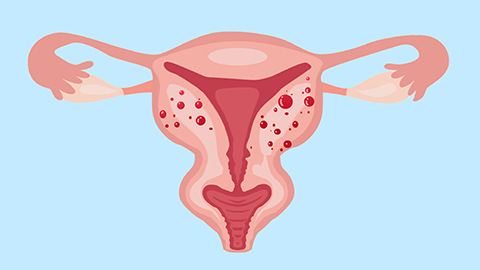
Acquired pathological conditions may also contribute to the formation of a uterine septum. For instance, women with uterine malposition may experience impaired menstrual outflow during menstruation. In such cases, retained menstrual blood accumulates within the uterine cavity; as intrauterine pressure rises, retrograde flow of menstrual blood into the peritoneal cavity may occur, potentially leading to septum formation. Additionally, some patients develop vaginal outlet adhesions following intrauterine procedures (e.g., dilation and curettage) or induced abortion, resulting in obstructed menstrual outflow and subsequent retrograde flow into the peritoneal cavity—contributing to septum formation. Severe gynecological disorders, such as endometritis, may cause uterine distortion and ultimately lead to a septate uterus.

Therefore, women should pay special attention to their health in daily life. Regular gynecological examinations at healthcare facilities are essential, and behaviors detrimental to physical well-being should be avoided. We hope this article has been helpful. Wishing you a joyful life and optimal health!


