


How can uterine fluid accumulation be completely resolved?

Uterine fluid accumulation—also known as intrauterine fluid accumulation—can cause various symptoms that affect overall health. So, how can uterine fluid accumulation be effectively resolved?
How to Resolve Uterine Fluid Accumulation
The specific approach to clearing uterine fluid accumulation depends on the underlying cause and individual circumstances. For instance, during menstruation, endometrial shedding and associated bleeding may lead to transient uterine fluid accumulation, which typically requires no special intervention. As menstrual blood is expelled, the accumulated fluid resolves spontaneously. In cases of intrauterine infection with inflammatory exudate and consequent intrauterine fluid accumulation, prompt anti-inflammatory treatment is essential. Broad-spectrum antibiotics—such as ceftriaxone combined with metronidazole—are commonly administered via intravenous or intramuscular injection according to a prescribed course. With appropriate antimicrobial therapy, intrauterine fluid accumulation gradually subsides.
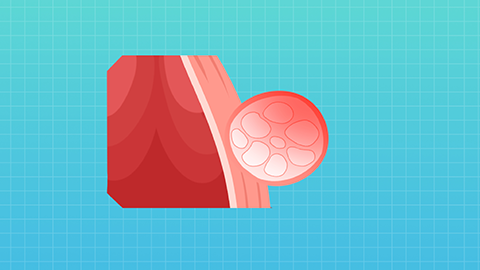
Following surgical or medical abortion, intrauterine fluid accumulation may occur. In such cases, oral administration of Yimucao Granules (Leonurus heterophyllus Granules) or Xinshenghua Granules (Newly Invigorating and Transforming Granules) is recommended to promote uterine contraction and facilitate fluid drainage. Surgical abortion—performed to terminate pregnancy—involves methods including medication-induced abortion, vacuum aspiration abortion, and dilation and curettage (D&C). These procedures utilize pharmaceutical agents or medical instruments to achieve pregnancy termination.
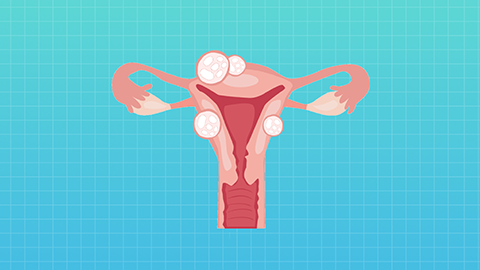
After surgical abortion, patients should rest in bed for 2–3 days. For six months post-procedure, strenuous physical labor—including heavy lifting or carrying bulky objects—should be avoided, as should vigorous exercise. Rest periods should not be shortened prematurely. Ideally, women recovering from abortion should rest for approximately 21–30 days to support optimal recovery. We hope this article has been helpful. Wishing you a joyful life and good health!


