


Is it normal for a 9-year-old girl to start menstruating?

Menstruation in girls is a common physiological phenomenon. If a girl never experiences her first period throughout her life, it would indicate a serious health issue. However, menstruation does have an appropriate age range: occurring either too early or too late warrants timely evaluation to determine what constitutes a normal and healthy onset. So, is it normal for a 9-year-old girl to begin menstruating?
Is it normal for a 9-year-old girl to start menstruating?
Generally speaking, menarche (the first menstrual period) at age 9 is considered abnormal. A detailed explanation follows:
Under normal circumstances, menarche typically occurs between ages 12 and 16. Menstruation before age 10 is generally indicative of precocious puberty. In diagnosing female precocious puberty, estradiol serves as one key hormonal marker for determining the onset of puberty and confirming the diagnosis. Precocious puberty may be diagnosed if secondary sexual development begins before age 8 and serum estradiol levels exceed 275 pmol/L. Early-onset puberty often leads to premature epiphyseal closure, thereby impairing further growth in height. Therefore, once precocious puberty is identified, prompt medical intervention is essential.

Following the onset of precocious puberty, girls may experience psychological challenges—including anxiety, depression, and eating disorders—which can adversely affect both physical health and academic performance. Precocious puberty is defined as the appearance of secondary sexual characteristics before age 9 in boys and before age 8 in girls—such features include rapid growth spurts, pubic hair development, and breast development. Once diagnosed, the underlying cause must be identified and appropriately treated. For instance, precocious puberty caused by tumors or hypothyroidism can be managed with medication under a physician’s guidance.
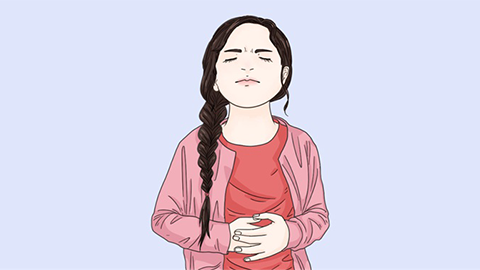
Girls who experience early menarche should take precautions to safeguard future height potential by adopting healthy lifestyle habits—engaging in regular physical activity and maintaining a healthy weight to prevent obesity. Children should also be kept away from cosmetics and adult dietary supplements or health products. We hope this information proves helpful.


