


Can you drink alcohol during menstruation?
Jul 04, 2022
Source: Cainiu Health

Dr. Chen Zhe
Introduction
During menstruation, women should avoid alcohol consumption. Alcohol stimulates the nervous system and disrupts the endocrine system, potentially causing hormonal imbalances that may lead to increased menstrual flow and irregular vaginal bleeding. In addition to abstaining from alcohol, women should also avoid overly salty foods during their period, as excess sodium can be retained in the body and exacerbate menstrual-related edema. Strong tea and coffee should also be avoided during menstruation.
In real life, many women have the habit of drinking alcohol. Some women continue drinking even during their menstrual period and fail to recognize the potential harms associated with alcohol consumption at this time. Therefore, understanding the risks of drinking during menstruation is critically important. So—can women drink alcohol during their period?
Can women drink alcohol during their period?
No, women should avoid alcohol entirely during menstruation. Alcohol stimulates the nervous system and disrupts the endocrine system, potentially causing hormonal imbalances that may lead to increased menstrual flow and irregular vaginal bleeding. In addition to abstaining from alcohol, women should also avoid overly salty foods during their period, as excess sodium can be retained in the body and exacerbate menstrual-related edema. Strong tea and coffee are also discouraged, as their high caffeine content can overstimulate the nervous and cardiovascular systems, worsening menstrual cramps, prolonging the duration of menstruation, and increasing menstrual blood loss. During menstruation, showers are recommended for bathing; sitting baths or tub baths should be avoided.

During menstruation, a woman’s immune resistance declines and her overall physical condition weakens. Hormonal fluctuations occur, and enzymatic activity within the body decreases—particularly enzymes involved in alcohol metabolism—resulting in reduced capacity to process and eliminate alcohol from the bloodstream. Consequently, alcohol may accumulate and convert into harmful acidic metabolites. To neutralize these acidic substances, the liver must continuously produce additional enzymes, placing extra strain on hepatic function and potentially leading to impaired liver function. Excessive alcohol intake during this time may result in prolonged intoxication, more severe hangover symptoms, and an increased risk of alcohol poisoning.
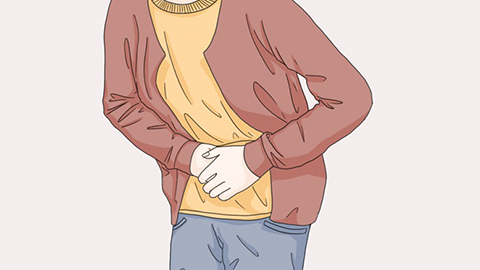
Women are advised to pay special attention to their diet during menstruation and avoid raw, cold, or spicy foods to help prevent dysmenorrhea (painful periods). We hope this information proves helpful to you.



