


Is simple endometrial hyperplasia serious?

Simple endometrial hyperplasia is a common condition in clinical medicine. Particularly during adolescence and the perimenopausal period, patients may experience irregular vaginal bleeding, which can significantly impact their quality of life and daily functioning. So, how serious is simple endometrial hyperplasia?
Is simple endometrial hyperplasia serious?
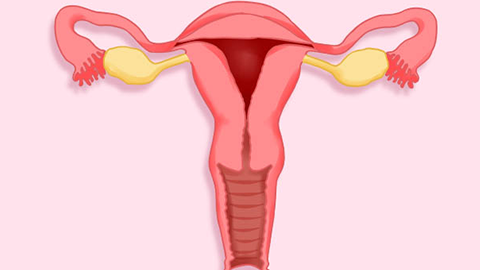
Simple endometrial hyperplasia is generally not considered severe. The endometrium is the mucosal lining of the uterine cavity, composed of a basal layer and a functional layer. Its thickness fluctuates in response to hormonal changes throughout the ovarian cycle. Typically, it is thinnest at the end of menstruation and thickest from ovulation until the onset of the next menstrual period. Endometrial hyperplasia is classified into two main types: simple (or benign) hyperplasia and atypical hyperplasia. Under normal physiological conditions, the endometrium is regulated by both estrogen and progesterone, preventing excessive proliferation. However, unopposed estrogen stimulation—without adequate counterbalancing progesterone—can lead to simple hyperplasia.

Simple endometrial hyperplasia can usually be effectively managed with medication and restored to normal. For example, oral progestins or estrogen inhibitors help prevent abnormal endometrial proliferation. The risk of malignant transformation is relatively low—generally less than 5%. In contrast, atypical hyperplasia carries a higher risk of progression to cancer and warrants prompt evaluation and intervention. For patients with moderate-to-severe atypical hyperplasia who have no desire for future fertility, hysterectomy may be recommended under physician guidance.
Patients are advised to maintain a balanced diet in daily life and avoid spicy or irritating foods. We hope this information is helpful to you.


