


What Causes Pink Eye?
Jul 04, 2022
Source: Cainiu Health

Dr. Chen You
Introduction
Conjunctivitis has numerous etiologies, primarily involving diminished host immunity, rendering individuals more susceptible to external environmental influences—especially young patients, those recently recovered from severe illness, those with chronic diseases, or those with prolonged medication histories. Conjunctivitis is typically an acute, infectious, inflammatory ocular disease caused by pathogens such as enteroviruses, adenoviruses, or “superbugs,” which exhibit heightened virulence and activity.
When it comes to “red eye disease” (acute conjunctivitis), most people are somewhat familiar with it. It can cause significant discomfort and distress to many individuals, inflicting considerable pain on the eyes. Red eye disease has numerous underlying causes, and understanding its etiology is essential for effective prevention and management. So, what causes red eye disease?
What Causes Red Eye Disease?
The causes of red eye disease are diverse, but primarily involve a decline in the patient’s own immune function, rendering them more susceptible to external environmental influences. This is especially true for young individuals, those recently recovering from serious illness, patients with chronic diseases, or those with prolonged medication histories. Red eye disease is predominantly an acute, infectious, inflammatory ocular condition, commonly caused by pathogens such as enteroviruses, adenoviruses, or highly virulent bacteria—microorganisms that exhibit heightened activity. Due to its strong contagiousness, transmission occurs via direct contact with infected secretions or contaminated objects, as well as indirect contact—for instance, touching contaminated surfaces and then rubbing the eyes—potentially leading to infection and disease onset. Some patients frequently overuse their eyes, resulting in diminished ocular resistance and increased susceptibility to infection or recurrent episodes.
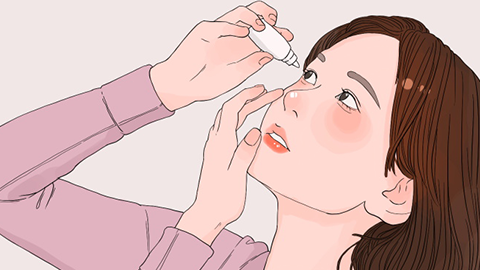
Red eye disease, also known as acute bacterial conjunctivitis, is a localized inflammatory condition triggered by bacterial infection. Consequently, it tends to occur when the body’s natural resistance is compromised. Typical symptoms include conjunctival hyperemia (eye redness), increased abnormal ocular discharge, and occasionally mild visual blurring. Treatment should be guided by a physician, who may prescribe a sensitive topical antibiotic eye drop—such as levofloxacin hydrochloride eye drops—to control local inflammation. The disease course generally lasts less than three weeks; during treatment and recovery, regular follow-up examinations are essential to monitor progress and adjust the therapeutic regimen as needed.

Patients diagnosed with red eye disease should take precautions to avoid cross-infection, given its highly contagious nature. Rubbing the eyes should be avoided to prevent corneal injury and further spread of pathogens. We hope this information proves helpful to you.


