


How painful is pulpitis?
Jul 04, 2022
Source: Cainiu Health

Dr. Zhang Liwen
Introduction
In early (reversible) pulpitis, patients typically do not experience spontaneous pain. However, transient, stimulus-induced pain may occur upon exposure to cold, heat, acidity, sweetness, or other dietary stimuli. In contrast, during the suppurative stage of pulpitis, patients usually suffer from severe pain. If left untreated, dental caries may progress to pulpitis in its early stages.
Pulpitis is a highly prevalent dental condition, especially among individuals with poor gingival health. Once gingivitis develops, it can trigger various issues—such as altered taste perception (e.g., inability to distinguish sweet or bitter flavors) and diverse types of pain. During pulpitis treatment, patients may encounter such symptoms, imposing significant psychological stress. So, just how painful is pulpitis?
How Painful Is Pulpitis?
In the early, reversible stage of pulpitis, patients typically do not experience spontaneous pain. However, transient, stimulus-induced pain may occur upon exposure to cold, hot, acidic, or sweet foods and beverages. In contrast, during the suppurative (pus-forming) phase of pulpitis, pain becomes markedly severe. If untreated in its initial stage, dental caries may progress to pulpitis. Patients with chronic pulpitis may exhibit no obvious pain during asymptomatic periods; however, when food becomes impacted in a carious lesion and compresses the pulp, pulpitis-related pain may ensue. At this stage, dull, persistent pain primarily occurs only upon stimulation. Once the irritant is removed, early-stage pulpitis pain usually subsides rapidly. This type of pain is typically more sensitive to cold stimuli, and chewing on the affected side becomes intolerable during episodes.
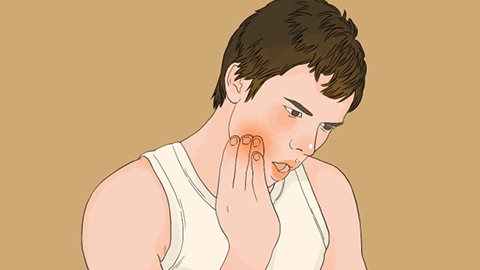
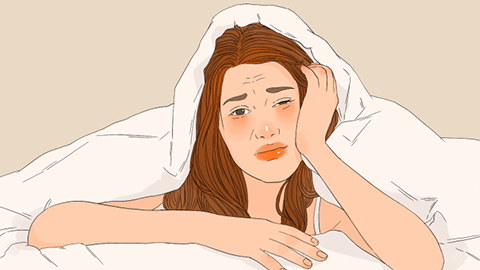
If early pulpitis remains untreated or inadequately managed, localized inflammation intensifies, leading to acute suppurative pulpitis. A hallmark of acute pulpitis is non-localized tooth pain—patients are unable to identify precisely which tooth is causing discomfort. The pain is spontaneous and/or paroxysmal, often excruciating and difficult to tolerate—particularly at night. Patients frequently experience such severe pain that they cannot sleep; sometimes, the pain may radiate along the trigeminal nerve, causing headaches and other referred symptoms.
Patients are advised to maintain good oral hygiene and rinse their mouth promptly after meals. We hope this information proves helpful.


