


What should a pregnant woman do if she develops mumps at 6 months’ gestation?
Jul 04, 2022
Source: Cainiu Health
Dr. Zhang Liwen
Introduction
During pregnancy, mumps is more difficult for women to cope with compared to the general population. It is essential to differentiate between bacterial and viral parotitis; typically, localized epidemic parotitis occurs and is caused by a viral infection. In most cases, swelling of the parotid region is accompanied by fever and sore throat.
The sixth month of pregnancy falls within the second trimester. At this stage, the fetus is relatively stable, yet its nutritional requirements increase significantly. Additionally, fetal growth accelerates, and the pregnant woman’s waist and abdomen become increasingly bulky, making her movements progressively more cumbersome. Therefore, to safeguard both her own health and the optimal growth and development of the fetus, certain precautions must be taken. So, what should a pregnant woman do if she develops mumps at six months’ gestation?
What to Do If a Pregnant Woman Develops Mumps at Six Months’ Gestation
During pregnancy, contracting epidemic mumps poses greater challenges for women compared with the general population. It is essential to differentiate between bacterial and viral mumps; typically, cases involve localized epidemic mumps caused by viral infection. Common symptoms include swelling in the parotid region, accompanied by fever, sore throat, generalized body aches, and loss of appetite. In severe cases, complications such as meningitis may occur.
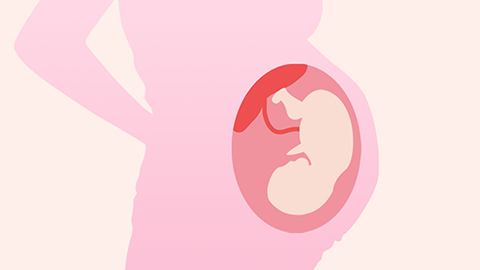
Generally, topical medications applied locally during pregnancy can be an effective treatment option for mumps. Traditional Chinese herbal poultices applied externally may help significantly reduce local swelling. If laboratory blood tests reveal markedly elevated white blood cell counts, high-quality antibiotics may be administered symptomatically. During antiviral therapy, intravenous administration should only proceed after consulting and obtaining guidance from an obstetrician-gynecologist.

Pregnant women are advised to pay close attention to their diet: spicy and irritating foods should be avoided. Instead, meals should be light, predominantly consisting of liquid or semi-liquid foods, and soft-textured items. Maintaining good oral hygiene is crucial—rinsing the mouth with warm saline solution is recommended. We hope this information proves helpful.


