


Can mumps be treated with ice packs?
Jul 04, 2022
Source: Cainiu Health

Dr. Zhang Liwen
Introduction
Mumps is the most common parotitis, and local cold compresses can help relieve pain. Epidemic mumps is an acute, self-limiting respiratory infectious disease caused by the mumps virus, medically termed “epidemic parotitis.” Fever is a common symptom of epidemic mumps, with body temperature often reaching 38–40°C.
Mumps exhibits seasonal incidence patterns; during peak epidemic seasons, many individuals with weakened immunity may become ill. At such times, patients may experience adverse symptoms such as headache and sore throat, inevitably causing concern about their condition—and fears that the illness may worsen, thereby increasing treatment difficulty. So, can ice packs be used for mumps?
Can ice packs be used for mumps?
Mumps is the most common form of parotitis. Local cold compresses can help alleviate pain associated with mumps. Epidemic mumps is an acute, self-limiting respiratory infectious disease caused by the mumps virus, clinically termed “epidemic parotitis.” Fever is a common symptom, with body temperature often rising to 38–40°C. The duration of fever varies: it may last only 1–2 days in younger patients but may persist for 5–7 days in older individuals; some patients remain afebrile throughout the course of illness.

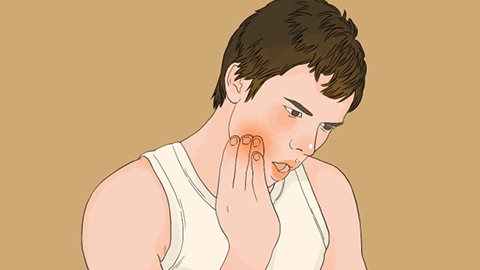
Parotid gland swelling is the hallmark clinical feature of epidemic mumps. The swelling is centered around the earlobe and extends forward, backward, and downward. Its margins are indistinct, and the overlying skin feels warm—but not erythematous. Some patients may also exhibit marked submandibular swelling, even experiencing dysphagia. Swelling and pain typically begin unilaterally and involve the contralateral side within 1–4 days. The swelling and discomfort usually persist for 4–5 days and intensify during chewing or ingestion of acidic foods. Epidemic mumps generally lasts one to two weeks and resolves spontaneously.
Patients are advised to drink ample fluids, consume easily digestible foods, avoid spicy or irritating foods, and favor bland, mild meals. We hope this information proves helpful.


