


Can people with diabetes drink yak meat soup?

During winter, many people enjoy drinking meat-based soups to keep warm. Yak meat soup is a common choice—but can people with diabetes consume it?
Can people with diabetes drink yak meat soup?
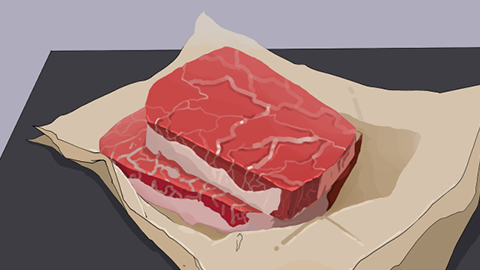
Yes, individuals with diabetes may consume yak meat soup, but the portion size of yak meat must be carefully calculated based on the patient’s height and weight—typically around 80 grams per day. Avoid cooking methods such as smoking, grilling, or curing, as these may increase cancer risk. Additionally, people with diabetes should limit consumption of dried or processed yak meat, since such products often contain excessive oil and salt, which can adversely affect blood glucose control and blood pressure management. The most suitable vegetable to pair with yak meat is celery. Rich in dietary fiber, celery helps inhibit the absorption of fat and cholesterol from the meat.

Moreover, celery possesses antihypertensive properties, making it especially beneficial for diabetic patients with coexisting cardiovascular or cerebrovascular diseases. However, yak meat is considered a “heat-inducing” food in traditional Chinese medicine; therefore, individuals with allergies, eczema, or skin ulcers should exercise caution, as consumption may exacerbate their conditions.
In principle, most vegetables are acceptable for soup preparation—simply choose those commonly used in soups, such as winter melon, loofah, Chinese flowering cabbage (choy sum), radish, tomato, lettuce leaves, purple laver (nori), and kelp. Lean meats—including lean pork, fish, shrimp, and skinless chicken or duck—and other low-fat seafood are also appropriate. Patients should consciously limit intake of high-fat and high-sugar foods. We hope this article has been helpful. Wishing you a joyful life and optimal health!


