


Can people with diabetes drink corn juice?
Jul 05, 2022
Source: Cainiu Health

Dr. Pan Yongyuan
Introduction
Corn juice is not recommended for people with diabetes to consume in large quantities. Typically, corn juice is made from corn, and its nutritional profile explains why excessive intake should be avoided. Some varieties of corn are high in sugar and are therefore unsuitable for individuals with diabetes. As a coarse grain, corn contains relatively high levels of simple sugars—such as glucose—that are rapidly absorbed by the intestines, leading to significant spikes in blood and urinary glucose levels. To prevent elevated blood sugar, people with diabetes are advised to limit their consumption of corn.
Corn is a common food in daily life, rich in minerals and vitamins. Regular consumption of corn juice helps protect blood vessels. But can people with diabetes drink corn juice?
People with diabetes may drink corn juice—but with caution.
Corn juice is generally not recommended for frequent or excessive consumption by individuals with diabetes. Typically prepared from corn, corn juice’s nutritional profile explains why moderation is essential. Some corn varieties contain high sugar levels, making them unsuitable for people with diabetes. As a coarse grain, corn contains relatively high amounts of simple sugars—such as glucose—that are rapidly absorbed by the intestines, causing sharp spikes in both blood glucose and urinary glucose levels. Therefore, people with diabetes should limit their intake of corn to avoid undesirable elevations in blood sugar. Instead, whole grains such as millet, soybean flour, and buckwheat flour are more appropriate dietary choices. Corn also contains unsaturated fatty acids, which help prevent lipid deposition on arterial walls and thus contribute to the prevention of diabetic endocrine complications.
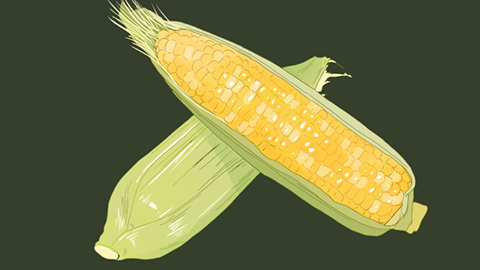
Corn—particularly mature (older) corn—is considered a preferred food choice for people with diabetes due to its relatively low sugar content. Moreover, its dietary fiber content is nearly ten times higher than that of rice, helping to lower postprandial blood glucose levels. Regular consumption of corn may also confer preventive benefits against diabetes, coronary heart disease, atherosclerosis, and hypertension.
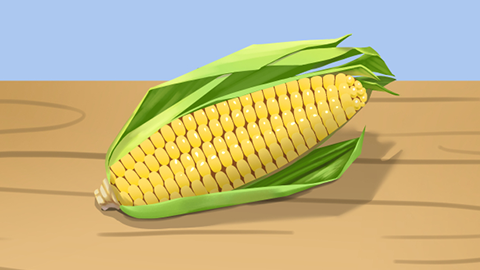
Mature corn is also rich in calcium, phosphorus, magnesium, iron, selenium, vitamin A, B1, B2, B6, E, and beta-carotene—all of which support healthy blood glucose regulation. However, glutinous corn and sweet corn varieties contain significantly higher starch levels and are more readily digested and absorbed, potentially leading to rapid increases in blood glucose; therefore, people with diabetes should consume these types with particular caution. We hope this article has been helpful. Wishing you a joyful life and good health!


