


What should I do about uterine adhesions?
Jul 05, 2022
Source: Cainiu Health
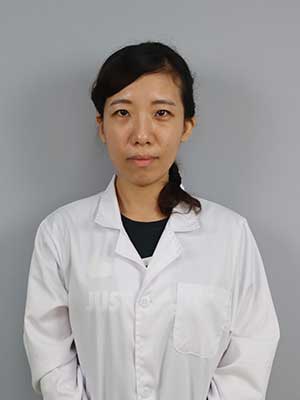
Dr. Chong Yiwen
Introduction
Treatment Options for Uterine Adhesions (Asherman’s Syndrome):
1. Hysteroscopic Surgery: Hysteroscopy involves inserting a thin, flexible tube equipped with a camera into the uterus to directly visualize the uterine cavity. This allows precise identification of the location and extent of adhesions, enabling targeted surgical separation under direct visualization.
2. Medical Therapy:
- Traditional Chinese Medicine (TCM): Herbal enemas may help improve uterine circulation, reduce inflammation, and promote gradual separation and resolution of adhesions.
- Conventional Pharmacotherapy: Oral anti-inflammatory medications (e.g., nonsteroidal anti-inflammatory drugs or antibiotics, if infection is present) may be prescribed to control inflammation and support healing.
Clinically, uterine adhesions are categorized into two types: intrauterine adhesions and cervical adhesions. Cervical adhesions may develop in patients undergoing procedures such as induced abortion, diagnostic curettage, or uterine evacuation—particularly when pre-existing chronic cervical inflammation is present.
Currently, the primary treatment modalities for uterine adhesions include hysteroscopic surgery, pharmacotherapy, and physical therapy.
① Hysteroscopic Surgery
Hysteroscopy involves inserting a flexible, camera-equipped tube into the uterus to visualize the intrauterine environment. Once inside the uterine cavity, abnormalities—including those involving the endometrium and myometrium—can be identified. Prior to the procedure, the physician disinfects the patient’s vagina and external genitalia, uses a disposable cervical speculum for cervical support, and then introduces a surgical probe into the uterine cavity. Illumination enables clear visualization of pathological tissues, allowing precise localization and subsequent surgical intervention.

② Pharmacotherapy
Patients with mild uterine adhesions may benefit from an integrated approach combining traditional Chinese medicine (TCM) and Western medicine. For instance, herbal enemas can help alleviate adhesions and promote tissue separation, while oral Western medications—such as anti-inflammatory agents—may facilitate resolution and absorption of inflammatory lesions.
③ Physical Therapy
Physical therapy may also serve as an adjunctive treatment. Appropriate physical activity enhances local blood circulation, while balanced nutrition and regular exercise contribute beneficially to the management of uterine adhesions.


