


What Are the Symptoms of Uterine Hypertrophy?
Jul 05, 2022
Source: Cainiu Health

Dr. Wang Lianlian
Introduction
Symptoms of uterine hypertrophy:
- Menstrual disorders: irregular menstrual cycles and abnormal menstrual flow;
- Anemia: excessive menstrual bleeding leading to significant blood loss and subsequent anemia;
- Abnormal vaginal discharge: leukorrhea that is milky-white and viscous, or pale-yellow and purulent, accompanied by a sensation of heaviness or dull pain in the lower abdomen and sacral region; urinary symptoms such as urinary frequency, urgency, and dysuria may also occur.
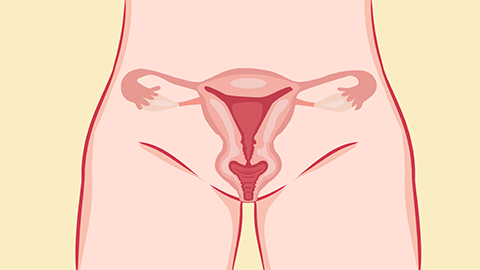
Uterine hypertrophy refers to uniform enlargement of the uterus. The fundamental pathological changes in this condition involve alterations in the smooth muscle cells and blood vessel walls within the myometrium. The primary clinical manifestations of uterine hypertrophy include the following:
1. Menstrual Disorders
Heavy menstrual bleeding with prolonged menstrual cycles; normal menstrual volume but shortened cycle length; light menstrual flow with prolonged duration.
2. Anemia
Excessive menstrual bleeding during the cycle leads to significant blood loss, potentially resulting in anemia, which may manifest as pallor.
3. Abnormal Vaginal Discharge
In cases where cervical hypertrophy is also present, vaginal discharge may appear thick and milky-white or pale yellow and purulent. Patients may experience a sensation of heaviness or dull pain in the lower abdomen and sacral region, and may also develop urinary symptoms such as urinary frequency, urgency, and dysuria.
4. Infertility
Many women with uterine hypertrophy experience infertility. While isolated uterine hypertrophy does not inherently impair fertility, severe cases may lead to endometritis or tubal adhesions—both of which are common contributors to female infertility.
The above summarizes the causes and clinical features of uterine hypertrophy in women, providing a convenient reference for female patients. Nevertheless, regardless of the underlying cause, prompt evaluation and treatment at a reputable medical facility are essential to safeguard and promote one’s health.


