


Is pregnancy with a uterine septum risky?

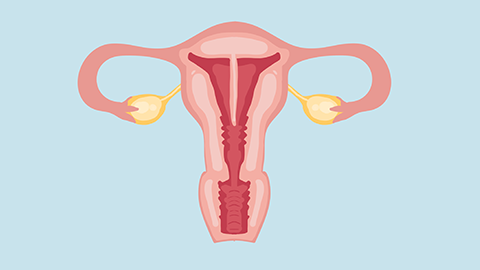
A uterine septum refers to a congenital anomaly in which the external contour of the uterus appears normal, yet a longitudinal septum extends from the fundus to the internal and external cervical os. Pregnancy in women with a uterine septum carries an increased risk. Specific reasons include the following:
Women with a uterine septum who become pregnant often experience difficulties achieving a successful vaginal delivery.
Uterine septa are classified into two types—partial (incomplete) and complete—based on the extent to which the uterine cavity is divided. In the partial type, a small communication channel forms between the separated uterine cavities and the cervix, resulting in a partial uterine septum—a form of uterine developmental malformation.
Fetal development within the maternal uterus may be delayed, and intrauterine fetal demise occurs at a higher rate. In women with a uterine septum, the myometrium contains fewer blood vessels and more fibrous tissue, impairing blastocyst implantation. Moreover, the endometrial layer covering the septum exhibits diminished responsiveness to hormonal stimulation, compromising placental development and potentially leading to fetal death.
Partial uterine septum most commonly arises from impaired fusion of the paired Müllerian ducts during embryonic development. As the septum alters the symmetrical architecture of the uterine cavity, normal reproductive function becomes compromised, potentially resulting in primary or refractory infertility.


