What Are the Causes of Non-Healing Skin Wounds?
Jul 05, 2022
Source: Cainiu Health

Dr. Liu Wan
Introduction
Skin wounds that fail to heal are commonly associated with the following conditions:
- Inadequate wound care after injury may lead to bacterial infection, which not only impairs wound healing but may also result in wound suppuration and systemic infection.
- Insufficient dietary nutrition can similarly hinder wound healing—particularly in patients with severe trauma, whose wounds require substantial amounts of nutrients and trace elements for proper recovery.
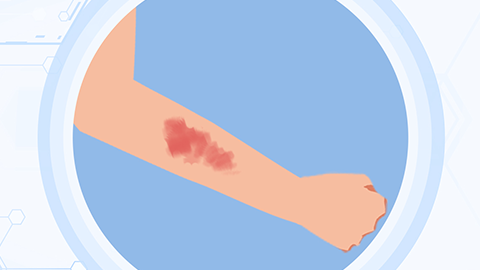
In daily life, everyone is prone to bumps and bruises that result in skin wounds. However, some individuals notice that their skin wounds consistently fail to heal. The specific reasons are as follows:
① Age
As people age, the body’s tissue regeneration capacity declines. Additionally, older individuals often experience varying degrees of vascular hardening, leading to reduced local blood supply. Moreover, the division and proliferation cycle of skin fibroblasts lengthens, thereby prolonging the wound-healing process—or even preventing healing altogether.
② Infection
Failure to properly care for a wound after injury may lead to bacterial infection, which not only delays wound healing but may also cause suppuration and systemic infection. Therefore, meticulous wound care is essential following injury to prevent infection. If infection has already occurred, prompt medical evaluation and treatment are necessary. For instance, secondary infections—particularly those caused by Staphylococcus aureus—at sites of broken skin are notoriously difficult to heal.
③ Nutrition
Inadequate dietary nutrition similarly impairs wound healing. Especially in patients with severe trauma, substantial amounts of nutrients and trace elements are required for optimal healing. Key healing-promoting substances include protein, glucose, vitamin C, and zinc. Selective or restrictive eating habits post-injury—leading to insufficient intake of these essential nutrients—may significantly hinder wound recovery.