


How is a septate uterus treated?

After marriage, couples often visit a hospital for comprehensive preconception examinations to optimize fertility and pregnancy outcomes. A small proportion of women may be diagnosed with a septate uterus during these evaluations. If left untreated, this condition can impair normal conception and pregnancy. So, how is a septate uterus treated?
How is a septate uterus treated?
A septate uterus features a fibromuscular or fibrous septum extending into the uterine cavity, dividing it into two separate compartments—a relatively common type of congenital uterine anomaly. In such cases, hysteroscopic resection (or incision) of the uterine septum is typically performed. Following removal of the septum, the two cavities merge into one, thereby improving uterine receptivity and reducing the risk of miscarriage.
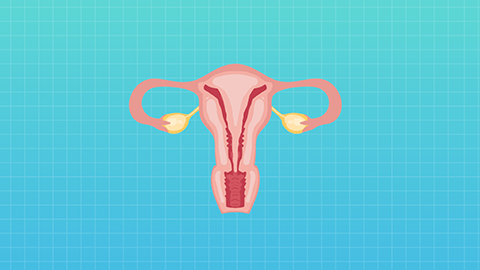
Septate uteri are classified as either complete or incomplete, and both types are amenable to treatment—typically via hysteroscopic incision or resection of the septum. As a congenital developmental anomaly, the uterine septum reduces intrauterine volume, adversely affecting implantation, pregnancy maintenance, and fetal development. It is associated with increased risks of recurrent miscarriage, fetal structural anomalies, intrauterine growth restriction, and low birth weight. Therefore, timely intervention is essential.

Following treatment, patients should undergo comprehensive preconception assessments at a medical facility—including transvaginal ultrasound of the uterus and adnexa or hysterosalpingography—to ensure optimal conditions for embryonic and fetal development. We hope this information is helpful. Wishing you good health and happiness!


